Quick Answer
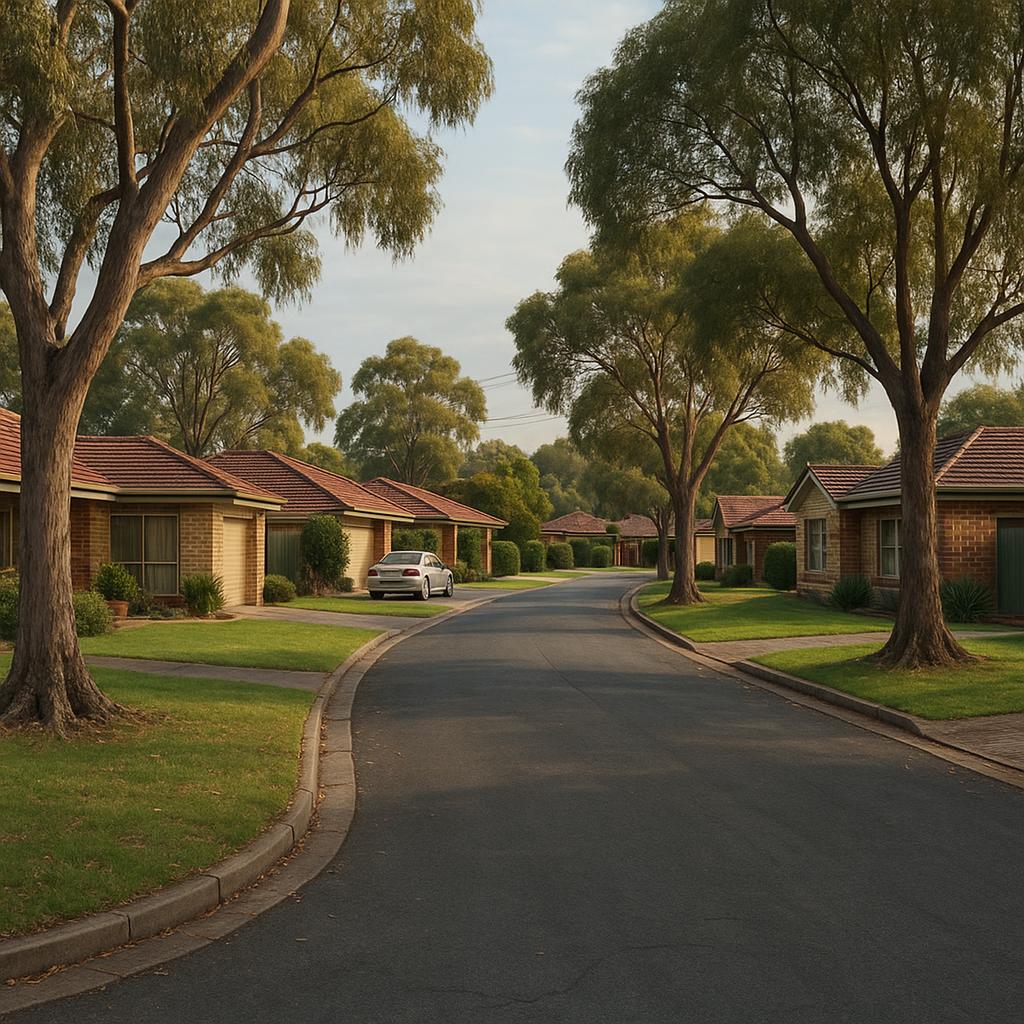
Tea Tree Gully is generally a strong fit for buyers and investors who want established suburban living, practical amenity, and a property market shaped by family demand rather than short-term hype. It tends to suit people prioritising space, everyday convenience, and longer holding periods. For investors, the key is to target properties with broad tenant appeal, low-friction maintenance, and a location that works for commuting, schools, and daily routines.
Tea Tree Gully suits buyers and investors who value an established Adelaide northeast suburb with family appeal, practical amenities, and a mix of detached homes and lower-maintenance dwellings. It is usually better assessed as a long-term lifestyle-and-hold market than a speculative play. The strongest opportunities are typically homes that are well located, well kept, and aligned to real household demand.
Key Takeaways
- Tea Tree Gully appeals to buyers who want a lived-in suburban feel, not a high-density urban setting.
- Families and long-term residents often underpin demand, which can support steadier resale and leasing interest.
- Detached homes usually suit owner-occupiers, while units and townhouses can offer lower-maintenance entry points.
- Micro-location matters here, with traffic exposure, amenity access, and street presentation affecting value and appeal.
- Investors should prioritise tenant fit, maintenance profile, and practical convenience over headline-grabbing property features.
Pros & Cons
Pros
- perty mix can suit different budgets and ownership strategies.
Market Overview
Tea Tree Gully sits in Adelaide’s northeastern suburban belt and is best understood as an established, family-oriented market with a mature housing profile. That often means buyers are weighing land, dwelling condition, renovation potential, and daily convenience rather than chasing a brand-new estate model. For homeowners, that can be a plus if they want an area with settled character and practical services nearby.
The market tends to reward homes that are easy to live in and easy to maintain. In suburbs like this, demand usually comes from a mix of owner-occupiers, families trading up, downsizers, and investors who want dependable tenant interest. The best results often come from matching the property to the pocket: a quieter street with a functional home can feel very different from a busier road even if they are close together.
As a decision-making area, Tea Tree Gully is usually less about rapid flipping and more about holding quality. Buyers should focus on the property’s actual use case, the likely maintenance load, and whether the location supports everyday routines. If you want to cross-check current market conditions, look at recent comparable sales and active listings rather than relying on general suburb commentary.
Buyer Demand
Demand here is typically driven by households that value practicality. Families want a usable layout, outdoor space, and access to services. First-home buyers may look for smaller homes, units, or townhouses that get them into an established suburb without the upkeep of a larger block.
Investors usually do best when they buy for the tenant who actually rents in this area: someone wanting convenience, parking, and a straightforward home rather than a high-design property with niche appeal. That usually means neat presentation, sensible floorplans, and low ongoing repair risk matter more than cosmetic flash.
Rental Market
The rental case for Tea Tree Gully depends on stable household demand rather than a narrow investor story. Properties that are clean, functional, and close to daily amenities are more likely to hold broad appeal. In practical terms, tenants often value space, storage, good parking, and easy access to commuting routes.
For investors, the strongest rental assets are usually low-maintenance homes that can be leased without major ongoing work. A well-kept three-bedroom house or a tidy unit/townhouse can be easier to hold than a larger, older property with higher repair exposure. Check current rents and vacancy trends using live listings and property manager feedback before making assumptions.
Lifestyle, Transport & Schools
Tea Tree Gully offers a suburban lifestyle with a calmer pace than inner Adelaide, which is part of its appeal. That can suit families, long-term owners, and renters who prefer space and routine over density and noise. Access to local shopping, parks, and services matters here because it shapes day-to-day convenience.
Transport is usually a mixed picture in established outer suburban areas: many residents will rely on cars, while public transport helps with commuting and access to broader Adelaide. That makes road connectivity and travel time important to assess before buying. For families, the practical question is less about prestige and more about whether school runs, childcare, and after-school activities fit neatly into everyday life.
Tea Tree Gully Suburb Profile
Official 2021 Census snapshot for the ABS Suburbs and Localities geography.
Age profile
Housing tenure
Occupied private dwellings by tenure type.
Salary & income profile
Median total income reported in the Census.
*Annual figures are weekly median × 52 estimates, not separate ABS annual medians.
Education & qualifications
Highest educational attainment, people aged 15+.
Employment status
People aged 15+ who reported being in the labour force.
Industry of employment
Top responses among employed people aged 15 years and over.
Occupation profile
Broad occupation groups among employed residents, including managers.
School catchments and nearby education options should always be verified directly, because these factors can materially influence both owner-occupier demand and rental demand. If a home offers an easier routine for a family, that convenience can translate into stronger buyer interest and a more defensible hold strategy.
Property Type Guide
- Detached houses: Best for families and long-term owners wanting land, flexibility, and broad resale appeal.
- Units and townhouses: Best for buyers wanting lower-maintenance ownership or a more accessible entry point.
- Older homes: Can suit renovators, but only if the location and structural fundamentals are strong.
- Updated homes: Often attract stronger live-in demand because they reduce immediate spend and hassle.
- Investable stock: Prioritise practical layouts, manageable yards, parking, and easy leaseability over novelty.
Risks & Watch-Outs
- Micro-location matters, so compare street traffic, noise, and convenience before assuming two nearby homes are equivalent.
- Older homes may hide costs in roofing, plumbing, wiring, moisture, or general wear.
- Do not overpay for styling alone; presentation can distract from dated layouts or expensive defects.
- Investor returns can suffer if the property is awkward to maintain or appeals only to a narrow renter pool.
- Always check zoning, overlays, and any council or planning constraints that could affect future improvements.
Nearby Suburbs to Compare
- Modbury SA Property Market Guide: Buyers & Investors
- St Agnes
- Golden Grove
- Banksia Park
- Vista
FAQ
Is Tea Tree Gully a good suburb for families?
Often, yes, if the family values space, a quieter suburban environment, and practical access to daily services. The main advantage is lifestyle fit: homes, streets, and amenity can suit long-term family living better than denser inner suburbs. Always verify school access and commute patterns.
Is Tea Tree Gully a good suburb for investors?
It can be, provided the property is chosen for tenant demand and low maintenance rather than speculation. Investors should focus on broad appeal, sensible layouts, parking, and proximity to convenience. A good investment here is usually one that is easy to lease and hold.
What type of property is best to buy here?
There is no single best type. Detached homes tend to suit families and long holds, while units and townhouses can work for buyers wanting less upkeep. The right choice depends on budget, desired tenant or owner profile, and how much maintenance you are willing to manage.
What should buyers inspect most carefully?
Inspect the condition of the building, the usability of the floorplan, the yard or outdoor space, and the street context. In established suburbs, hidden maintenance can be more important than cosmetic appeal. Also check how easy the property is to live in every day.
How does Tea Tree Gully compare with nearby suburbs?
Compare it against places like Modbury, Golden Grove, and St Agnes on housing style, convenience, and the type of buyer they attract. Nearby suburbs may offer newer stock, different transport access, or a different lifestyle feel. The best choice depends on your routine and strategy.
Conclusion
Tea Tree Gully is best approached as an established suburban market with practical, long-term appeal. For buyers, that means focusing on comfort, condition, and pocket-level differences. For investors, the priority is simple: choose a property that matches real tenant demand and won’t drain cash through avoidable maintenance.
Sources & How to Verify
- Check current sold prices and active listings on Domain so you are comparing real market evidence rather than stale commentary.
- Review rental listings and vacancy signals on realestate.com.au to understand what tenants are actually paying for in the area.
- Use the Australian Bureau of Statistics to check broad suburb and regional demographic context without relying on guesswork.
- Confirm zoning, overlays, and planning controls through the SA Planning Portal before assuming a property can be extended or redeveloped.
- Check council service details and local amenity information on the relevant City of Tea Tree Gully website.
- Verify school options and intake areas through official government education sources rather than relying on informal rankings.
- Cross-check commute options with current public transport maps and timetables, because service patterns can change over time.
- Ask a local conveyancer, building inspector, or property manager to confirm any property-specific risks before you commit to purchase.
General information only. Not financial or legal advice.
Internal link suggestions: Modbury SA Property Market Guide: Buyers & Investors, Golden Grove SA Property Market Guide: Buyers & Investors