Quick Answer
Glenelg is one of Adelaide’s most recognisable beachside suburbs, and that recognition translates into broad buyer interest, especially from owner-occupiers, downsizers, and investors who value lifestyle, walkability, and amenity. It suits buyers who want a coastal address with tram access, dining, and everyday convenience rather than a purely land-driven play. The key decision is whether you are paying for premium location, low-maintenance living, or long-term hold potential. Buying well here means matching the property type to your goal and checking building quality, strata exposure, and micro-location carefully.
Key Takeaways
- Glenelg combines coastal lifestyle appeal with established amenity, making it attractive to both residents and long-term tenants.
- Buyer demand is typically strongest for well-located, easy-care homes that suit downsizers, professionals, and lock-up-and-leave owners.
- Investors should focus on property type, ongoing costs, and tenant fit, not just the suburb’s prestige or beachside branding.
- Apartment and townhouse choices often offer better usability than larger homes for buyers who prioritise convenience over land content.
- Comparing Glenelg with nearby beachside and inner-west suburbs helps identify where you are paying for lifestyle versus practical value.
Pros & Cons
Pros
- Strong coastal lifestyle with broad day-to-day appeal
- Walkability to retail, cafés, beach, and public transport
- Established suburb identity that supports long-term desirability
Cons
- Premium pricing can limit cash flow and entry options
- Strata, maintenance, and parking considerations can be significant
- Busy streets and visitor activity may reduce privacy in some pockets
Market Overview
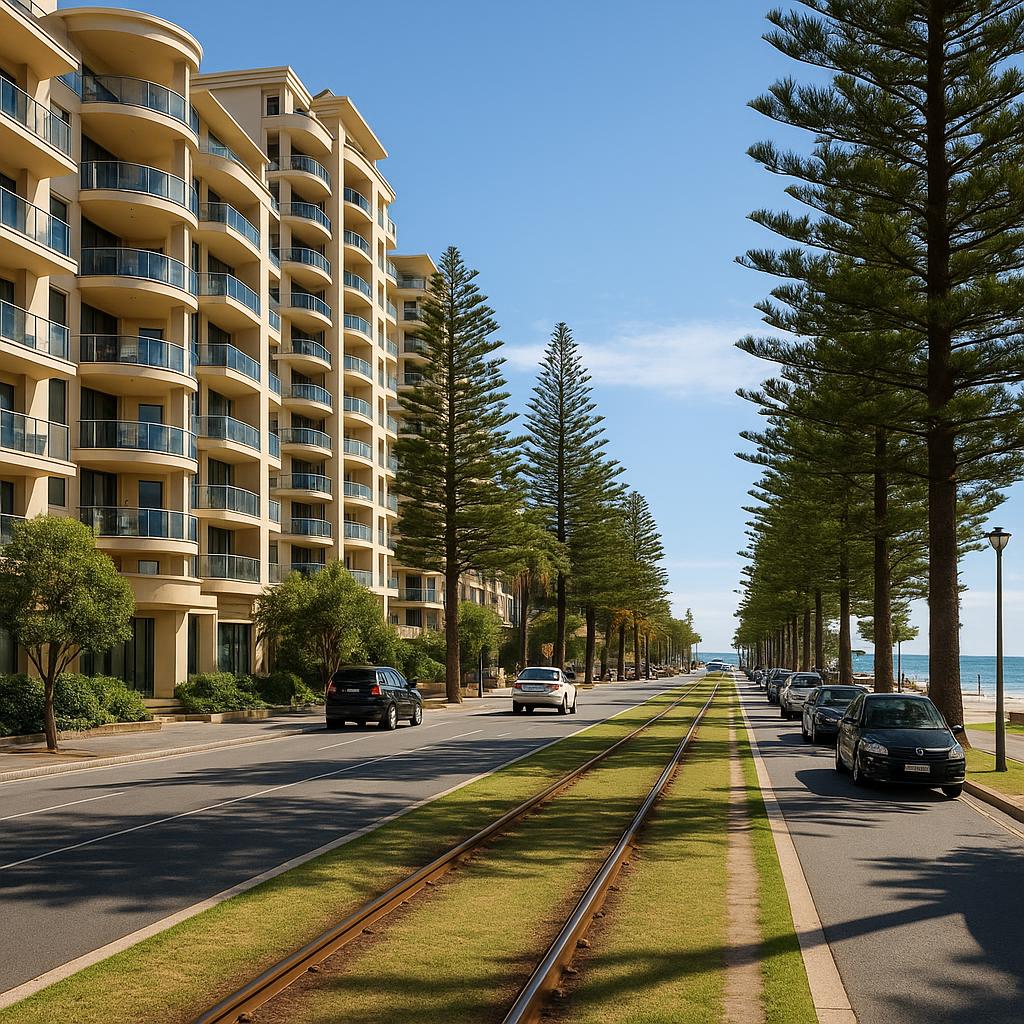
Glenelg is a coastal, established suburb with a strong brand in the Adelaide market. It attracts a wide mix of buyers because it offers beach access, hospitality, public transport, and a range of dwelling types, from apartments and units to townhouses and character homes. That variety means the suburb is not one simple market; each pocket and property type behaves differently.
For many buyers, Glenelg is less about speculation and more about lifestyle security. Scarce beachside land, strong recognition, and everyday amenity tend to support ongoing interest, but the value equation depends heavily on what you buy. A well-presented, easy-care home close to the main amenity strip will usually appeal differently from a larger, higher-maintenance property that relies more on land content or renovation potential.
Mini scenario: two buyers inspect the same price bracket. One chooses a renovated apartment near transport and cafés for convenience, while the other delays for a larger home but takes on more upkeep and capital outlay. The better choice is the one aligned with use case, holding costs, and resale audience.
Buyer Demand
Demand in Glenelg is usually driven by lifestyle buyers, downsizers, professionals, and interstate movers who want a beachside base with practical amenity. Investors also look here, but the strongest competition often comes from owner-occupiers who are emotionally motivated by the suburb’s location and reputation.
What tends to sell well is straightforward: move-in-ready presentation, functional layouts, parking, and low-maintenance ownership. Buyers commonly compare Glenelg with nearby beachside suburbs when they want more space, quieter streets, or a different price point, so micro-location and property type matter as much as the suburb name.
Rental Market
The rental market benefits from tenants who want coastal living without sacrificing convenience. Professionals, couples, relocators, and short-to-medium-term tenants are often drawn to the suburb’s amenity, and well-located low-maintenance dwellings can lease more smoothly than larger homes with higher upkeep.
For investors, the main issue is not simply whether Glenelg is popular, but whether the specific asset suits the tenant pool. Apartments and compact townhouses can be easier to rent and manage, but building condition, strata levies, noise, parking, and ongoing maintenance can materially affect the holding outcome.
Lifestyle, Transport & Schools
Glenelg’s lifestyle appeal is obvious: beach access, coastal recreation, cafés, dining, and a walkable urban strip all contribute to its strong day-to-day livability. That makes it particularly appealing for buyers who want to use the suburb constantly, not just on weekends.
Transport is another practical strength. Tram access improves city connectivity, while roads and public transport make the suburb workable for commuters. In some pockets, this reduces the need for a second car, which is especially valuable for downsizers and apartment buyers.
School access can influence family demand, although many family buyers will also weigh space, parking, and street character before deciding. In a premium beachside suburb like Glenelg, families often compare nearby suburbs when they need more room or a quieter residential setting. Check current catchments and enrolment rules directly before relying on assumptions.
Glenelg (SA) Suburb Profile
Official 2021 Census snapshot for the ABS Suburbs and Localities geography.
Age profile
Housing tenure
Occupied private dwellings by tenure type.
Salary & income profile
Median total income reported in the Census.
*Annual figures are weekly median × 52 estimates, not separate ABS annual medians.
Education & qualifications
Highest educational attainment, people aged 15+.
Employment status
People aged 15+ who reported being in the labour force.
Industry of employment
Top responses among employed people aged 15 years and over.
Occupation profile
Broad occupation groups among employed residents, including managers.
Property Type Guide
- Apartments: Often suit investors, first-home buyers, and downsizers seeking low-maintenance living. Check strata fees, building age, ventilation, noise, and car parking.
- Units and villas: Can offer a useful balance of affordability and convenience. Check privacy, shared walls, renovation quality, and driveway or parking arrangements.
- Townhouses and courtyard homes: Attractive for buyers wanting more space than an apartment without the upkeep of a detached home. Check storage, layout efficiency, and body corporate obligations.
- Detached and character homes: Best for buyers wanting land, charm, and long-term flexibility. Check maintenance load, renovation scope, and whether the location supports the premium paid.
Risks & Watch-Outs
- Do not assume the beachside label guarantees capital growth or strong cash flow; the asset still needs to stack up.
- Older buildings may bring hidden maintenance issues, so review strata records and repair history carefully before committing.
- Coastal exposure can increase long-term upkeep needs, especially for external finishes, fixtures, and windows.
- Parking, traffic, and visitor activity can be more demanding in some pockets than buyers expect from the outside.
- Emotional buying is a real risk here, so keep comparable sales, outgoings, and resale audience front of mind.
Nearby Suburbs to Compare
- Adelaide
- North Adelaide
- Glenelg East
- Glenelg North
- Brighton
- North Plympton
FAQ
Is Glenelg good for first-home buyers?
It can be, but only if the buyer is comfortable with the premium attached to a beachside address. First-home buyers often look at apartments, units, or smaller townhouses first, then compare ongoing costs, parking, and strata commitments before deciding.
Is Glenelg a good suburb for investors?
Yes, if the investment thesis is based on tenant demand, low-maintenance ownership, and long-term desirability rather than chasing the highest immediate return. Investors should focus on building quality, outgoings, and whether the property appeals to stable, long-stay tenants.
What types of properties are most common in Glenelg?
The suburb includes a mix of apartments, units, townhouses, courtyard homes, and detached character properties. The best choice depends on whether you want convenience, land content, lower maintenance, or stronger appeal to owner-occupiers and tenants.
Is Glenelg better for lifestyle or capital growth?
It is strongest as a lifestyle suburb, but that does not mean growth is irrelevant. The key is buying the right property in the right micro-location, because long-term desirability tends to favour well-located, well-presented homes with broad appeal.
What should buyers inspect before purchasing?
Check comparable sales, strata documents, parking, noise, storage, maintenance history, and the property’s position relative to the beach and amenity. In Glenelg, the difference between an easy ownership experience and a difficult one can come down to building quality and daily practicality.
Conclusion
Glenelg remains a premium Adelaide beachside suburb with wide appeal, but it rewards disciplined buying. The best result comes from matching the property type to your purpose, whether that is lifestyle, downsizing, renting, or long-term holding. Compare micro-locations, review ongoing costs carefully, and do not pay extra for prestige unless the asset itself justifies it.
Sources & How to Verify
- Check current sold prices and active listings on Domain to confirm what Glenelg buyers are actually paying today.
- Review rental listings on realestate.com.au to compare current asking rents, property types, and time-on-market signals.
- Use the Australian Bureau of Statistics for suburb and region-level demographic context, but do not rely on old figures without checking the release date.
- Confirm zoning, planning, and development controls through PlanSA before assuming redevelopment, extensions, or land-use potential.
- Check local amenity and council information on the City of Holdfast Bay website, especially for works, parking, and public realm changes.
- Review school zones and enrolment rules through the SA Government school finder rather than relying on assumptions or hearsay.
- Use Adelaide Metro to confirm current tram and bus routes, stop locations, and service frequencies before factoring transport convenience into your decision.
- Inspect the building, common areas, and strata records in person where relevant, because condition, levies, and maintenance history can matter more than suburb reputation.