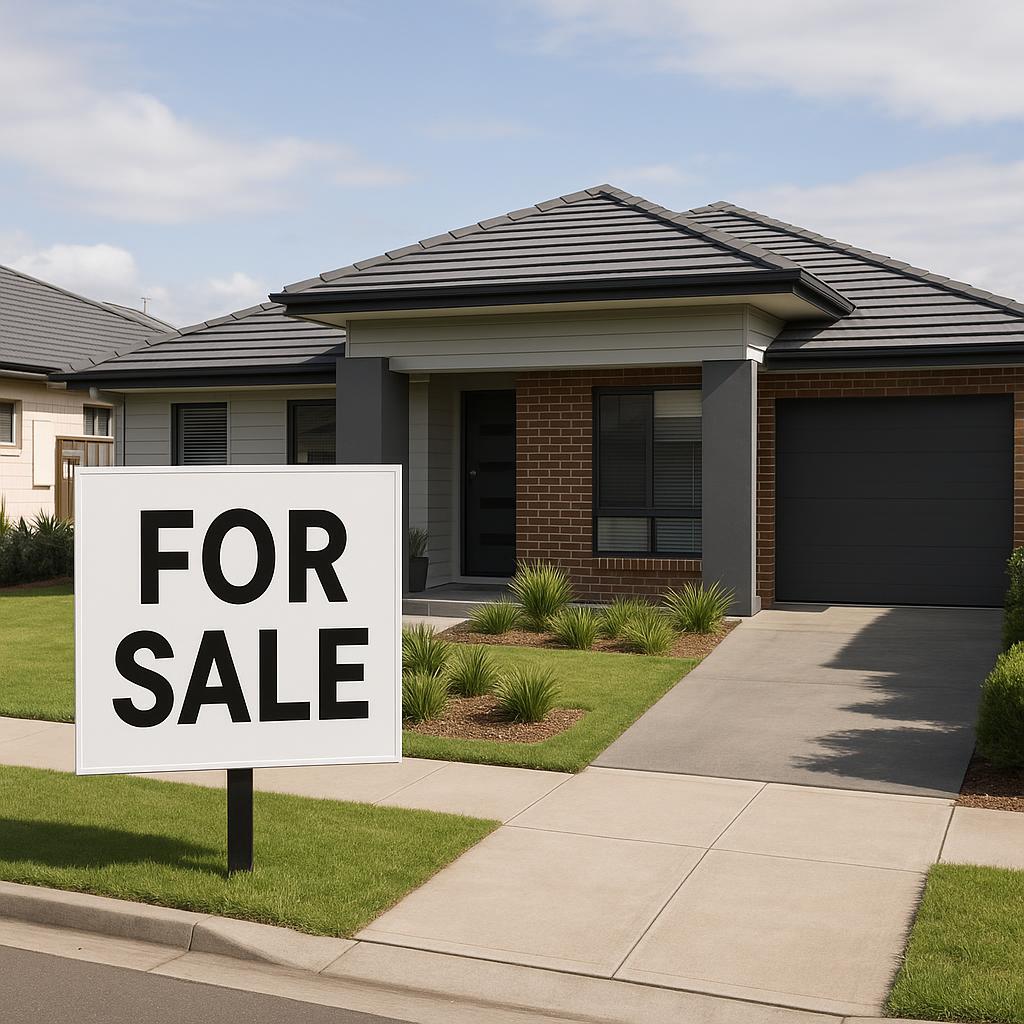
Australian housing markets are showing a more cautious tone in early July, with new reporting pointing to softer values, weaker auction outcomes and sellers adjusting their approach. But the latest coverage also suggests that lower prices alone are not yet translating into broad affordability gains, leaving buyers, sellers and renters in a market that is cooling unevenly rather than resetting quickly.
Reporting from the SMH said house values have fallen, but homes are not getting more affordable. At the same time, the AFR reported a collapse in clearance rates that is prompting sellers to try different tactics. Together, the stories point to a market where momentum has shifted, but the underlying pressures on housing access remain in place.
Values are easing, but the affordability gap remains
The SMH report is a reminder that a fall in prices does not automatically mean a home becomes easier to buy. Even where values soften, borrowing costs, deposit hurdles and the broader cost of living can still keep ownership out of reach for many households. The reporting does not suggest a simple improvement in affordability, and the picture appears to remain mixed across different markets.
That distinction matters because housing commentary often treats lower prices as a straightforward win for buyers. The latest coverage suggests the reality is more complicated. A market can cool, and even fall, without delivering the kind of relief that would materially change the position of first-home buyers or renters trying to move into ownership.
Clearance rates are under pressure
The AFR reported that a collapse in clearance rates is pushing sellers to test different tactics. While the source summary does not spell out every strategy, the broad message is clear: vendors are responding to a softer auction environment by changing how they bring homes to market.
Lower clearance rates are often read as a sign that buyers are becoming more selective or that asking prices are no longer matching what the market is prepared to pay. But the reporting does not support a single explanation. It may reflect a mix of buyer caution, affordability constraints and the usual differences between suburbs, property types and price brackets.
Sellers are adapting to a cooler market
When auction results weaken, sellers typically face more pressure to be flexible. The AFR account indicates that some vendors are already trying different tactics, which suggests expectations are being reset in parts of the market.
That does not necessarily mean a broad buyer’s market has arrived. The sources do not provide enough detail to say whether the shift is widespread or confined to particular segments. Still, the fact that sellers are adjusting is itself a sign that the balance of power may be moving away from the fast-paced conditions seen during stronger periods of demand.
Cooling does not mean easy access
One of the clearest themes across the reporting is that a softer market is not the same as an accessible one. The SMH specifically said homes are not getting more affordable, even as values fall. That points to the possibility that households are still facing a difficult combination of prices, finance conditions and everyday expenses.
For many would-be buyers, the issue is not just the headline price of a property. It is also the amount needed for a deposit, the ability to service a loan and the confidence to commit in an uncertain environment. The supplied sources do not quantify those pressures, but they do suggest that the affordability problem remains unresolved despite the recent easing in values.
What this means for buyers, sellers and renters
For buyers, the latest reporting may indicate a market that is less frantic than it was, but not necessarily more attainable. Softer values and weaker clearance rates can create more room to negotiate in some areas, though the sources do not suggest that conditions are improving evenly or that affordability has materially lifted.
For sellers, the message is that expectations may need to be more carefully matched to current demand. The AFR report on changing tactics suggests that some vendors are already responding to a tougher auction environment. That said, the extent of the shift is unclear, and outcomes can vary sharply by location and property type.
For renters, the sources do not provide direct rental data, but the broader housing backdrop still matters. If ownership remains difficult to access, pressure can continue to flow through the rental market. That said, the supplied reporting does not allow a firm conclusion about rents, vacancy rates or tenant conditions.
Why the market picture is still uncertain
The current reporting leaves several questions open. The SMH and AFR pieces point in the same general direction — a softer housing market — but they focus on different indicators and do not fully explain how widespread the change is. Clearance rates, values and affordability do not always move together, and the sources do not provide enough detail to say which trend is likely to dominate.
There is also no single national story in the material supplied. Housing conditions can differ significantly between cities, regions and price points, so a cooling auction market in one area may not look the same elsewhere. The available reporting supports caution rather than certainty.
The broader housing debate continues
The latest coverage sits within a longer-running debate about whether Australia’s housing market is becoming more balanced or simply less overheated. A fall in values may ease some pressure at the margin, but the reporting from the SMH suggests that the deeper affordability challenge remains. Meanwhile, the AFR account shows sellers are already adjusting to weaker conditions, which can be a sign of a market in transition rather than one that has settled.
For now, the strongest takeaway is that the market appears to be cooling, but not in a way that has yet delivered clear relief to households trying to buy. The next few weeks of auction results, pricing behaviour and buyer demand will help show whether this is a temporary pause or the start of a more sustained shift.
Sources used for this draft
This article was generated from the following recent news reports and should be reviewed before publication.