Quick Answer
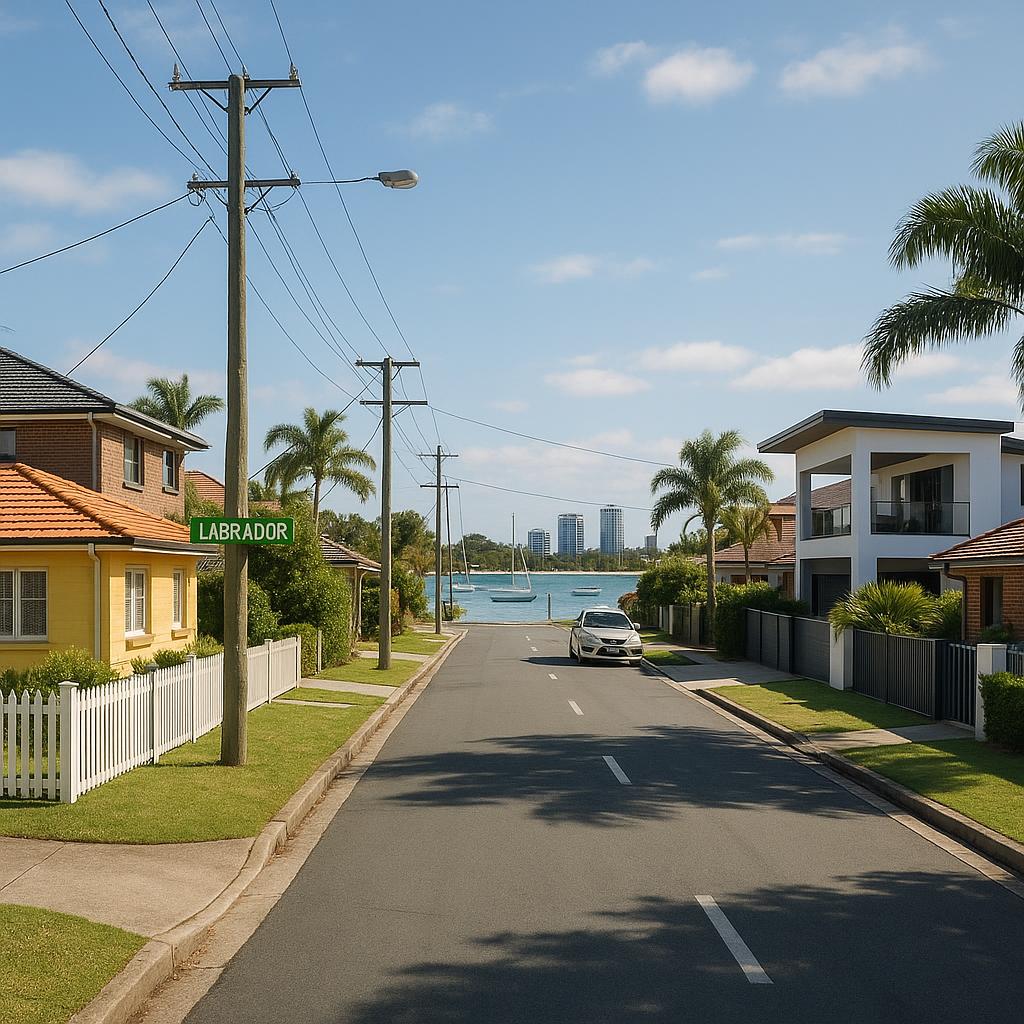
Labrador suits buyers who want a practical Gold Coast address with strong everyday convenience, coastal access, and broad appeal across owner-occupiers and renters. It is often more about liveability and versatility than prestige. For investors, the key question is not just whether Labrador is “good,” but whether the specific property type, street, and ongoing costs stack up. If you want a balanced suburb with multiple buyer pools, it deserves a serious look.
Key Takeaways
- Labrador offers a useful mix of coastal access, daily convenience, and a broad housing mix that suits several buyer profiles.
- It can appeal to first-home buyers, downsizers, investors, and lifestyle-focused owner-occupiers for different reasons.
- Demand is usually supported by proximity to amenity, transport links, and the Gold Coast’s broader employment and lifestyle network.
- Property type matters a lot here: apartments, townhouses, and houses can each perform very differently on the same street.
- The best purchases are usually the ones that match your end use, holding costs, and long-term resale audience.
Pros & Cons
Pros
- Coastal-fringe lifestyle without needing a prestige-only budget.
- Broad demand base from buyers and renters with different needs.
- Good convenience for shops, services, commuting, and everyday living.
Cons
- Some pockets feel busier and less private than lifestyle buyers expect.
- Older stock may require renovation, maintenance, or closer inspection.
- Apartments can bring body corporate costs and building-specific risks.
Market Overview
Labrador sits in a practical part of the Gold Coast market: close enough to lifestyle attractions to benefit from coastal demand, but not purely defined by prestige positioning. That makes it appealing to buyers who want access, convenience, and flexibility rather than one narrow “luxury” brief.
The suburb has a mixed housing profile, with older homes, renovated dwellings, apartments, and townhouses all playing a role. That diversity matters because it creates several mini-markets within the same suburb, each with different buyer expectations, running costs, and resale strengths.
For buyers, the key is to treat Labrador as a suburb where asset selection matters more than headline suburb reputation. A well-located, well-kept property can feel a world apart from another listing a few streets away, especially once parking, noise, maintenance, and body corporate costs are considered.
Buyer Demand
Buyer demand in Labrador tends to come from multiple groups at once: first-home buyers, investors, downsizers, and owner-occupiers who want convenience without the top-end Gold Coast price bracket. That gives the suburb a broader pool of potential buyers than a one-note market.
Search behaviour usually centres on practicality: easy access to shops and services, low-maintenance living, usable parking, and a layout that suits everyday routines. A renovated townhouse may appeal to both a downsizer and a young professional, which helps support resale depth when the property is presented well.
Rental Market
Labrador can work well as a rental suburb because it attracts a varied tenant mix, including singles, couples, small families, and shared households. That spread can help reduce reliance on one tenant segment, which is useful when market conditions change.
For investors, the most important rental questions are usually the same ones tenants care about: condition, layout, parking, storage, light, and access to daily essentials. A tidy two-bedroom apartment with practical parking and a sensible floorplan can often outperform a larger but awkward property.
Lifestyle, Transport & Schools
Labrador offers a practical coastal lifestyle rather than a secluded, exclusive one. Buyers who want to combine water access, shopping convenience, and everyday livability often find it more attractive than suburbs that are either too tourist-heavy or too isolated.
Transport and connectivity are part of the suburb’s appeal, especially for people who commute across the Gold Coast or need regular access to retail, health, and service hubs. Before buying, test the route at different times of day so you understand real-world travel patterns, not just map distance.
For families, school access should be assessed in practical terms: travel time, pick-up and drop-off ease, and whether the home supports a smooth daily routine. Avoid relying on reputation alone; verify school options and catchments using current official sources before making assumptions.
Labrador Suburb Profile
Official 2021 Census snapshot for the ABS Suburbs and Localities geography.
Age profile
Housing tenure
Occupied private dwellings by tenure type.
Salary & income profile
Median total income reported in the Census.
*Annual figures are weekly median × 52 estimates, not separate ABS annual medians.
Education & qualifications
Highest educational attainment, people aged 15+.
Employment status
People aged 15+ who reported being in the labour force.
Industry of employment
Top responses among employed people aged 15 years and over.
Occupation profile
Broad occupation groups among employed residents, including managers.
Property Type Guide
- Apartments: Often suit investors and first-home buyers seeking lower maintenance, but body corporate costs, noise, and building condition need careful review.
- Townhouses: Offer a middle ground between convenience and space, which can suit downsizers and small families looking for manageable upkeep.
- Freestanding homes: Usually appeal to buyers who want privacy, land, and more control, but they may involve higher maintenance and renovation exposure.
- Selection tip: Compare the property’s long-term use case, not just the suburb name; the wrong asset can underperform in a good location.
Risks & Watch-Outs
- Do not assume every pocket of Labrador has the same lifestyle feel, as traffic, noise, and amenity proximity can change the buyer experience quickly.
- Older homes may look affordable at first glance but still need structural, cosmetic, or compliance work that affects your true entry cost.
- Apartment purchases should include a check of body corporate records, levies, maintenance history, and any building issues that may affect resale.
- Do not overestimate rental strength without comparing the exact property type, layout, and presentation against current local listings.
- Always test parking, storage, and access in person, because these practical details often decide whether a property feels easy to own or annoying to live in.
Nearby Suburbs to Compare
FAQ
Is Labrador a good suburb for first-home buyers?
Labrador can suit first-home buyers who want a practical Gold Coast location with multiple property types to compare. The key is to focus on total holding cost, body corporate exposure if applicable, and whether the property fits your daily routine.
Is Labrador better for investors or owner-occupiers?
It can suit both, but in different ways. Investors may like the broad tenant base and convenience, while owner-occupiers may prefer the lifestyle, access, and variety of housing options. The right property type matters more than the label.
What type of property is most practical in Labrador?
That depends on your goal. Apartments may suit lower-maintenance buyers, townhouses can offer a balanced middle ground, and houses may better suit families or buyers wanting more control. Compare the asset, not just the suburb.
What should buyers inspect most carefully?
Focus on building condition, layout efficiency, noise, parking, storage, and any body corporate documents if strata applies. For houses, check maintenance history and street-specific factors. A strong inspection process can save you from a poor-fit purchase.
Is Labrador a lifestyle suburb or an investment suburb?
It can function as both. Lifestyle buyers may value convenience and coastal access, while investors may value rental depth and diverse demand. The difference usually comes down to choosing the right street, property type, and ongoing cost profile.
Conclusion
Labrador is best understood as a flexible, convenience-led Gold Coast suburb with broad appeal rather than a single-track prestige market. That versatility can be a strength for both buyers and investors, provided the property itself is chosen carefully. If you compare asset quality, holding costs, and local alternatives, Labrador can be a sensible and durable option.
Sources & How to Verify
- Check current sales evidence on Domain so you can compare Labrador listings against real, recent buyer and seller activity.
- Use realestate.com.au to verify current listing depth, property mix, and how each dwelling type is being marketed today.
- Review local planning and zoning context on the City of Gold Coast website before relying on assumptions about future development.
- Confirm school catchment and enrolment details through the Queensland school catchment map or the relevant school’s official website.
- Cross-check transport access and route changes on Translink, especially if commute convenience is a major buying factor.
- Use ABS data to understand broad demographic trends, but avoid treating it as a substitute for property-specific research.
- Request strata records, body corporate information, and inspection reports directly from the selling agent when buying a unit or townhouse, because building-level issues matter more than suburb averages.
- Always verify flood, access, and development constraints with current official sources and on-site inspection before making an offer.