Quick Answer
Beenleigh can suit buyers and investors who want an established Logan-location suburb with practical transport access, mixed housing stock, and a value-focused entry point relative to many Brisbane alternatives. It tends to appeal to people who prioritise usability, land, and long-term hold potential over prestige or masterplanned polish. The main rule is simple: buy street-by-street, not suburb-by-suburb, because condition, noise, drainage, and renovation quality can materially change the outcome.
Key Takeaways
- Beenleigh offers a practical position for commuters and value-driven buyers seeking established housing rather than premium amenity.
- Demand is often supported by affordability, transport convenience, and a broad buyer pool of owner-occupiers and investors.
- The suburb suits careful buyers who compare streets, not just listings, because quality can vary across short distances.
- Detached homes with usable land can appeal for long-term holding, while low-maintenance stock may suit yield-focused investors.
- Due diligence matters: check overlays, flood exposure, maintenance needs, and the property’s fit with your exit strategy.
Pros & Cons
Pros
- Practical access to major roads and rail for commuting and everyday mobility.
- Mixed housing stock can create options for first-home buyers, families, and investors.
- Established suburb profile may support long-term demand from buyers who want land and convenience.
Cons
- Micro-location matters, and some streets will feel noticeably stronger than others.
- Older housing stock may need ongoing maintenance or renovation planning.
- Some buyers may prefer newer estates with a more uniform streetscape and fewer unknowns.
Market Overview
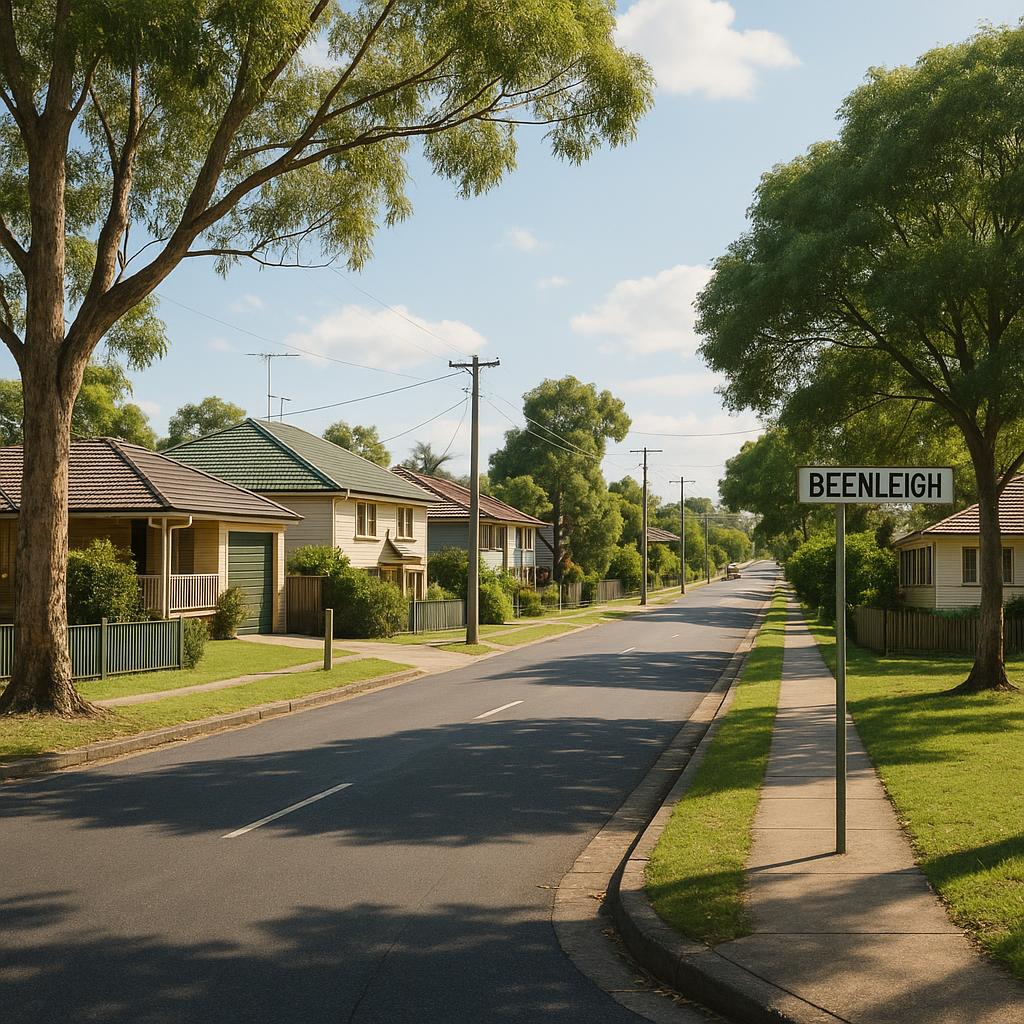
Beenleigh is a long-established Logan suburb that often sits in the middle ground between affordability and convenience. For many buyers, that makes it a practical alternative to pricier Brisbane locations or newer outer-ring estates where land and amenity trade-offs can differ.
The suburb’s market character is shaped by mixed housing ages, access to transport, and a broad pool of buyers seeking usable homes rather than prestige. That can be positive for liquidity, but it also means the best results usually come from picking the right pocket, block, and dwelling condition.
For investors and homeowners alike, Beenleigh is best approached as a decision-making suburb rather than a branding suburb. The value is in fundamentals: how the property functions, how the street feels, and how well the home will hold appeal if you need to sell or lease it later.
Buyer Demand
Demand in Beenleigh is usually driven by practicality. First-home buyers want a detached house or townhouse without stretching too far, while investors look for broad tenant appeal, workable rents, and lower-friction assets that are easy to hold.
The strongest buyer interest typically goes to properties that are clean, functional, and well-located within the suburb’s better pockets. Homes with obvious upside can attract value-add buyers, but only if the renovation story is credible and the underlying location supports future resale depth.
Rental Market
Beenleigh can appeal to renters who need access, space, and affordability more than luxury features. That tends to support a tenant pool made up of households, commuters, and budget-conscious renters who value practical layouts and dependable transport connections.
For landlords, the main advantage is not chasing a premium finish; it is offering a well-maintained, easy-to-live-in property in a location that feels convenient. Investors should focus on safety, presentation, parking, and low-maintenance outdoor areas, because those features often matter more than expensive cosmetic upgrades.
Lifestyle, Transport & Schools
Beenleigh’s lifestyle is functional rather than polished, which is exactly why many people consider it. You are more likely to be buying into convenience, access, and established services than a curated village atmosphere. That suits buyers who want a workable base and do not need a lifestyle precinct on the doorstep.
Transport is a major part of the suburb’s appeal. Buyers often assess rail access, road connectivity, and how easily daily travel works in peak times. For families, the school question is less about reputation headlines and more about practical fit, enrolment eligibility, and the day-to-day routine of drop-off, pickup, and after-school logistics.
That is why inspection timing matters here. A street that feels quiet on a Sunday may behave differently on a weekday commute or school run. If you are buying for family living or long-term hold, verify the actual routes you will use, not just the map.
Beenleigh Suburb Profile
Official 2021 Census snapshot for the ABS Suburbs and Localities geography.
Age profile
Housing tenure
Occupied private dwellings by tenure type.
Salary & income profile
Median total income reported in the Census.
*Annual figures are weekly median × 52 estimates, not separate ABS annual medians.
Education & qualifications
Highest educational attainment, people aged 15+.
Employment status
People aged 15+ who reported being in the labour force.
Industry of employment
Top responses among employed people aged 15 years and over.
Occupation profile
Broad occupation groups among employed residents, including managers.
Property Type Guide
- Detached houses: Often the best fit for long-term owners who want land, flexibility, and future renovation or extension potential.
- Townhouses and duplex-style stock: May suit investors or downsizers seeking lower maintenance and simpler holding costs.
- Older homes: Can offer value-add potential if the structure is sound and the renovation scope is realistic.
- Updated homes: Useful for buyers who want a more turnkey outcome, but pay close attention to whether upgrades are cosmetic or genuinely functional.
- Corner or larger blocks: Can improve flexibility and resale appeal, though they still require checking for access, noise, and overlay issues.
Risks & Watch-Outs
- Flood and drainage exposure should be checked at address level, not assumed from suburb-wide impressions.
- Older dwellings can hide maintenance issues in roofs, plumbing, wiring, moisture, and subfloor or slab conditions.
- Some pockets may be affected by traffic noise or a less consistent streetscape, which can influence resale and tenant interest.
- Cosmetic renovation can create false confidence if the underlying site, layout, or location is weak.
- Do not rely on a quick online search; compare the property with recent similar listings, inspections, and local agent feedback.
Nearby Suburbs to Compare
- Logan Central QLD Property Market Guide: Buyers & Investors
- Springwood QLD Property Market Guide: Buyers & Investors
- Holmview
- Eagleby
- Bethania
FAQ
Is Beenleigh a good suburb for first-home buyers?
It can be, especially if your priority is getting into a detached home or townhouse at a more accessible entry point than many inner-Brisbane locations. The key is buying a property with manageable maintenance and a street that supports everyday liveability.
Is Beenleigh a good suburb for investors?
It can suit investors who want a broad tenant pool and are comfortable doing proper due diligence on location, condition, and holding costs. Be selective about the property type, because rental strength depends heavily on presentation, layout, and pocket quality.
What type of property is usually the safest buy in Beenleigh?
There is no universal safest option, but many buyers prefer a well-located detached house on a sensible block because it offers flexibility for future use, resale, and renovation. Townhouses can work too if your priority is lower maintenance.
What should I check before buying in Beenleigh?
Check flood and drainage exposure, the condition of the building, street noise, parking, overlay restrictions, and how the property feels at different times of day. Also compare nearby recent sales and current rentals so you are not guessing on value.
Is Beenleigh better for owner-occupiers or investors?
It can work for both. Owner-occupiers often focus on practicality, space, and commute efficiency, while investors focus on tenant appeal and maintenance risk. The right property can satisfy either goal, but not every listing suits both.
Conclusion
Beenleigh is best viewed as a practical, value-led suburb where outcome depends on selection. Buyers who focus on the right street, the right dwelling, and the right level of maintenance can find solid long-term utility here. Investors should prioritise tenant appeal, functional layout, and resale depth rather than chasing headline affordability alone.
Sources & How to Verify
- Check current listings and sold examples on Domain to compare asking prices, renovation levels, and days on market before forming a view.
- Review current rental listings on realestate.com.au so you can judge tenant demand from live stock rather than relying on old assumptions.
- Use the ABS to understand suburb and regional context, but avoid using older census snapshots as a substitute for current property-level research.
- Confirm planning, zoning, and overlays through Logan City Council or its mapping tools so you know whether redevelopment, vegetation, or flood controls may affect the site.
- Check flood and hazard information on Queensland Government resources to verify site-specific risk rather than relying on general suburb commentary.
- Review transport access and service changes through Translink so you can confirm real commute convenience, not just distance on a map.
- Use official school information via Education Queensland to check catchments, enrolment rules, and current school details before making family-based decisions.
- Always arrange a building and pest inspection, then cross-check the report against the property’s age, known maintenance history, and comparable homes in the immediate area.