Quick Answer
Ascot is one of Brisbane’s blue-chip inner-eastern suburbs, with strong owner-occupier appeal, prestige streets, and steady long-term demand. It suits buyers who value location, character, and convenience more than short-term affordability. Investors should be selective: the suburb rewards quality stock, low-maintenance assets, and careful micro-location checks. In Ascot, the street, building quality, and dwelling type can matter as much as the suburb name itself when it comes to resale and rental outcomes.
Key Takeaways
- Ascot is typically treated as a premium suburb, so buyers should focus on quality and scarcity rather than “cheap entry” value.
- Strong demand is driven by lifestyle appeal, established streetscapes, and convenience to major Brisbane employment and amenity corridors.
- Investors often perform best with low-maintenance properties that match the local tenant pool and reduce vacancy or repair risk.
- Character homes, renovated houses, and apartments each suit different buyer strategies, budgets, and holding periods.
- Always compare the exact street, building condition, parking, and flood or planning considerations before relying on the suburb’s reputation.
Pros & Cons
Pros
- Prestige address with enduring appeal to quality buyers and tenants
- Established housing stock that supports long-term character and scarcity value
- Good fit for lifestyle-led buyers wanting convenience and a polished residential feel
Cons
- Premium pricing can reduce affordability and tighten investment cash flow
- Older homes may require ongoing maintenance, upgrades, or compliance checks
- Some locations face traffic, parking, strata, or renovation-constraint issues
Market Overview
Ascot sits in Brisbane’s inner east and is widely regarded as an established, high-desirability suburb rather than a transactional market. Its appeal comes from premium positioning, character housing, and the sense of permanence that many buyers want when they are thinking long term.
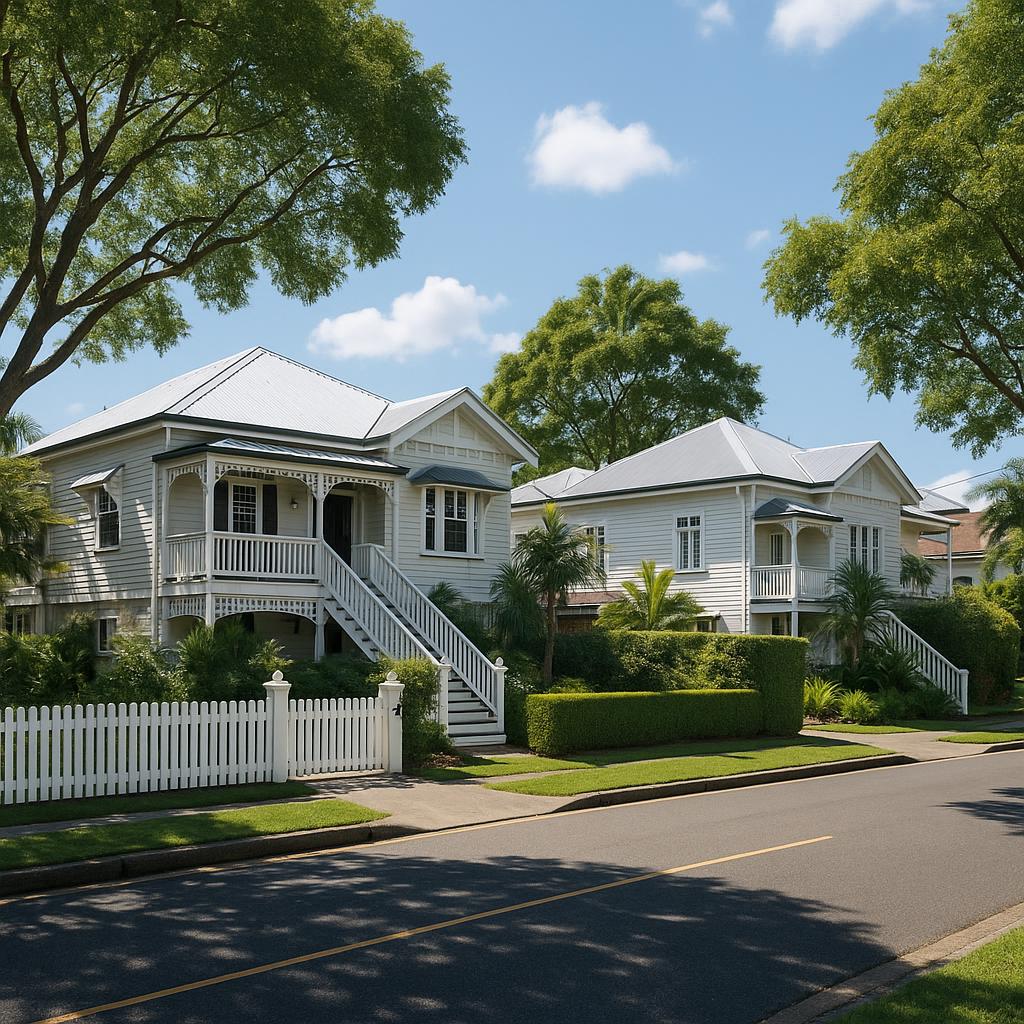
The suburb’s housing stock is part of the story: renovated Queenslanders, quality detached homes, and boutique apartments all play different roles. That means buyers need to think carefully about whether they are competing in the family-home market, the downsizer market, or the low-maintenance apartment segment.
In Ascot, value is often created or lost at the micro level. A quiet, well-oriented home with good parking and easy access to amenities can attract stronger interest than a superficially similar property on a noisier street or in a weaker building.
Buyer Demand
Buyer demand in Ascot is usually driven by owner-occupiers first, with investors following the same fundamentals: location quality, liveability, and long-term resale depth. Typical buyers include families, professionals, downsizers, and buyers trading into a more established suburb.
What tends to win attention is not just the suburb name, but the property’s usability. Renovated homes, well-kept character dwellings, and apartments with practical layouts, parking, and low ongoing maintenance tend to draw the most serious interest.
Rental Market
For investors, Ascot’s rental strength is less about chasing maximum yield and more about attracting reliable tenant demand. The suburb appeals to professionals and households that want a premium address, good access to amenities, and a lower-friction lifestyle.
Rental success usually comes from presenting a home that is easy to maintain and easy to live in. Air conditioning, secure parking, storage, and sensible layouts matter, while older stock needs especially careful pricing, presentation, and maintenance planning.
Lifestyle, Transport & Schools
Ascot offers an established residential feel with a premium reputation, which is why it attracts buyers who want a polished inner-Brisbane base without losing too much suburban calm. That lifestyle positioning can support both owner-occupier demand and tenant retention.
Transport convenience is a meaningful part of the suburb’s value proposition. Buyers should check their exact access to roads, public transport, and commute patterns, because small differences in location can affect day-to-day liveability and appeal to future tenants or buyers.
School access can be a major consideration for families, but it should always be verified directly through official catchment and enrolment sources before purchase. In a suburb like Ascot, school logistics often influence what home features matter most, such as bedrooms, parking, and usable outdoor space.
Ascot (Brisbane – Qld) Suburb Profile
Official 2021 Census snapshot for the ABS Suburbs and Localities geography.
Age profile
Housing tenure
Occupied private dwellings by tenure type.
Salary & income profile
Median total income reported in the Census.
*Annual figures are weekly median × 52 estimates, not separate ABS annual medians.
Education & qualifications
Highest educational attainment, people aged 15+.
Employment status
People aged 15+ who reported being in the labour force.
Industry of employment
Top responses among employed people aged 15 years and over.
Occupation profile
Broad occupation groups among employed residents, including managers.
Property Type Guide
- Character homes: Best for buyers wanting charm, land, and renovation potential; check for maintenance load, structure, and planning limits.
- Renovated houses: Best for buyers wanting a more immediate lifestyle fit; verify workmanship quality and whether improvements will age well.
- Apartments: Best for lower-maintenance living or investors seeking simpler upkeep; review strata costs, defects, noise, and parking carefully.
- Townhouses / low-density stock: Best for buyers seeking a compromise between house and apartment living; assess privacy, storage, and body corporate rules.
- How to choose: Match the dwelling to your holding strategy, not just the suburb prestige; the best asset is the one future buyers will also want.
Risks & Watch-Outs
- Do not assume every Ascot property is a quality buy; the suburb is strong, but the wrong street or building can still underperform.
- Older homes can hide expensive issues such as roof wear, damp, drainage problems, or poorly executed renovations.
- Apartment buyers should review body corporate records, levies, defect history, and the building’s long-term maintenance position.
- Planning overlays, approvals, and heritage or character controls may limit renovation scope and affect costings.
- Flood, access, and insurance checks should be done on the specific property, because site-level risk can change both ownership cost and resale demand.
Nearby Suburbs to Compare
- Hamilton QLD Property Market Guide: Buyers & Investors
- Clayfield
- Hendra
- Albion
- Bulimba
FAQ
Is Ascot good for buyers or investors?
Both, but for different reasons. Buyers often value the prestige address, character housing, and lifestyle convenience. Investors should be more selective and focus on tenant appeal, maintenance risk, and the property’s future resale depth rather than assuming the suburb alone will carry performance.
What property type is best in Ascot?
There is no single best type. Character homes suit buyers who want land and charm, renovated homes suit those wanting convenience, and apartments can suit lower-maintenance buyers or investors. The right answer depends on budget, holding period, and how much upkeep you are willing to accept.
Is Ascot suitable for families?
Yes, especially for families wanting a premium inner-Brisbane lifestyle. School access, parking, bedrooms, and usable outdoor space usually matter more than headline suburb reputation. Families should also check traffic patterns, commute convenience, and whether the specific street supports a practical weekday routine.
Is Ascot a good long-term hold?
It can be, because established premium suburbs often benefit from scarcity and consistent buyer interest. However, long-term holding only works if the individual property is solid, well-located, and affordable to own. Maintenance, strata, and renovation risks need to be built into the plan.
What should investors check before buying?
Start with the tenant profile, likely rentability, building condition, and holding costs. Then check body corporate records if relevant, transport convenience, and comparable rentals nearby. Investors should also think about exit demand: who will buy this property after them, and why?
Conclusion
Ascot is best understood as a premium, lifestyle-led Brisbane suburb where the right property matters more than the suburb label alone. Buyers and investors who compare streets, dwelling types, and holding costs carefully are more likely to secure a strong outcome. Treat it as a quality-first market, verify every assumption, and buy with the next buyer in mind.
Sources & how to verify
- Check planning, zoning, and local development controls on Brisbane City Council so you understand what can and cannot be changed at the property.
- Verify train and bus connectivity on Translink so your commuting assumptions match real service patterns.
- Confirm nearby station and network details on Queensland Rail before relying on transport convenience as a buying thesis.
- Use Queensland Government education information to verify school catchments and enrolment requirements rather than assuming a house is in a preferred zone.
- Compare recent listings and sold evidence on realestate.com.au to see how similar homes are being priced and presented right now.
- Cross-check live asking rents on Domain to test whether a rental estimate is realistic for the exact property type.
- Review suburb and property characteristics through ABS if you want broader demographic context, but confirm every investment decision with property-specific evidence.