Quick Answer
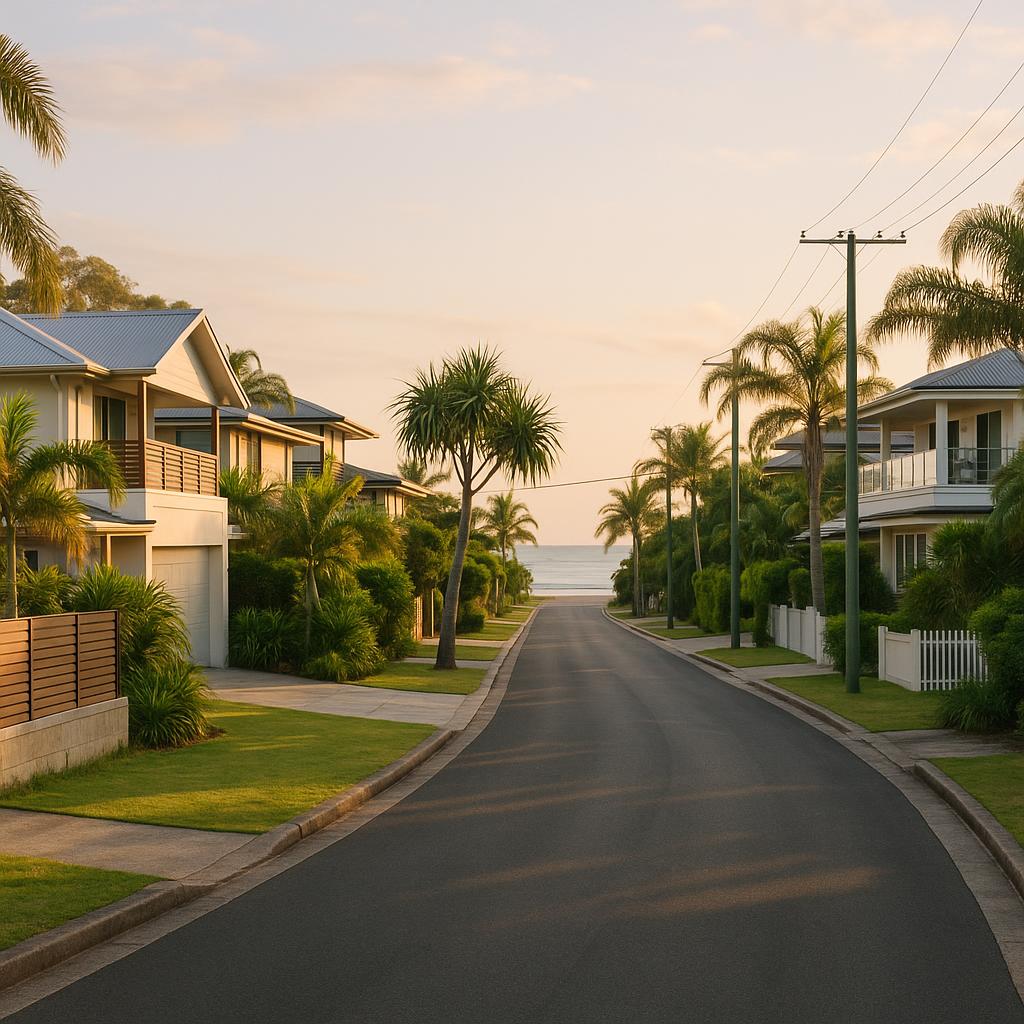
Byron Bay is a premium coastal market where lifestyle appeal, limited housing supply, and strong brand recognition continue to shape buyer behaviour. For investors and homeowners, the key question in 2026 is not simply whether Byron Bay is desirable, but whether a specific property suits your use case, budget, and risk tolerance. The best outcomes usually come from buying well-located, practical stock with broad resale appeal rather than paying purely for the address.
Key Takeaways
- Byron Bay rewards buyers who understand location nuance, not just headline lifestyle appeal or coastal prestige.
- Demand is supported by owner-occupiers, sea-change movers, downsizers, and investors seeking durable long-term interest.
- The right rental strategy depends on planning controls, property type, and whether the asset suits long-term or mixed-use demand.
- Practical features such as parking, access, layout, and maintenance often matter more than cosmetic appeal in this market.
- Nearby alternatives can offer a better balance of price, space, and livability without losing the Northern Rivers draw.
Pros & Cons
Pros
- Strong lifestyle reputation and national buyer recognition.
- Limited supply can support long-term scarcity value.
- Broad appeal across owner-occupiers and lifestyle-focused renters.
Cons
- Competition can be intense for well-located, move-in-ready stock.
- Planning, flood, and access considerations can narrow practical options.
- Holiday-town dynamics can affect noise, traffic, and tenancy fit.
Market Overview
Byron Bay sits in the Northern Rivers of New South Wales and functions as a premium coastal market with a village-centre feel. It is not a generic beach suburb: the market is shaped by location specificity, with beachside streets, quieter residential pockets, and lifestyle-driven homes all trading on different merits.
In 2026, the suburb remains heavily influenced by lifestyle migration, interstate interest, and low replacement stock. That combination means property condition, land, parking, access, and proximity to the town centre or beach can materially change demand. Buyers should treat Byron Bay as a location market where micro-positioning matters as much as the postcode.
For investors and homeowners, the main lesson is simple: the suburb can be highly desirable, but the wrong property type or use assumption can make the purchase harder to hold, improve, or resell. It is worth separating emotional appeal from practical fit before you commit.
Buyer Demand
Demand typically comes from owner-occupiers, sea-change buyers, local families trading within the area, downsizers, and investors who want an asset with broad long-term appeal. That mix usually supports resilient enquiry, especially for homes that are easy to live in and easy to explain to the next buyer.
What buyers often want is straightforward: walkability, good light, outdoor space, usable parking, and a layout that works for guests or work-from-home needs. In practice, a modest but functional home can outperform a prettier one with awkward access, heavy maintenance, or limited day-to-day convenience.
Rental Market
Byron Bay’s rental market can include longer-term residential demand and, for some properties, short-stay or holiday-oriented demand depending on planning rules and suitability. The crucial point is that rental strategy should be verified before purchase, not assumed after the fact.
For long-term renting, tenants often value low-maintenance living, parking, storage, and reliable access to services. A well-presented townhouse or apartment may attract stable demand even if it lacks the romance of a beach cottage. For mixed-use or holiday-let ideas, confirm approvals, operational costs, and compliance requirements first.
Lifestyle, Transport & Schools
Byron Bay’s lifestyle appeal is a major part of its value equation: beach culture, cafés, outdoor recreation, wellness-oriented living, and a strong community identity all support buyer interest. That lifestyle premium is real, but it also means buyers often pay for amenity, atmosphere, and convenience, not just bricks and mortar.
Transport and everyday access matter more than many first-time Byron buyers expect. Peak-period traffic, parking pressure, and the practicalities of moving around town can influence liveability. A slightly less central property can be the better choice if it improves school runs, grocery access, and commuting simplicity.
For families, schools should be assessed through current enrolment information, commute times, and daily logistics rather than reputation alone. Check catchment and access details directly with official sources, because what works on a map may feel very different during the school week.
Property Type Guide
- Beachside houses and cottages: Highly desirable for character and location, but often come with maintenance, parking, and renovation complexity.
- Apartments and units: Lower-maintenance and sometimes more accessible entry points, though strata terms and limited land component matter.
- Townhouses and duplexes: A practical middle ground for buyers wanting convenience, space, and more manageable upkeep.
- Renovators: Can create value if the location is right, but approval risk, holding costs, and repair overruns need discipline.
- Owner-occupier fit: Prioritise livability, privacy, parking, and long-term flexibility over short-term styling trends.
- Investor fit: Focus on broad tenant demand, compliance, maintenance control, and resale strength.
Risks & Watch-Outs
- Some pockets can be affected by flood, drainage, or hazard considerations, so site-specific due diligence is essential.
- Holiday-town conditions can bring traffic, parking pressure, noise, and seasonal crowding that affect liveability.
- Older homes may hide costly maintenance needs, especially if finishes look better than the structure and services beneath them.
- Planning controls, zoning, and heritage or environmental overlays can limit redevelopment or change-of-use options.
- Buyers can overpay when they chase lifestyle emotion and ignore the likely resale audience.
Nearby Suburbs to Compare
- Ballina Property Market & Investment Guide 2026, New South Wales
- Bangalow Property Market & Investment Guide 2026, New South Wales
- Suffolk Park Property Market & Investment Guide 2026, New South Wales
- Brunswick Heads Property Market & Investment Guide 2026, New South Wales
FAQ
Is Byron Bay a good place to buy in 2026?
It can be, if you are buying for the right reasons. Byron Bay suits buyers who value scarcity, lifestyle, and long-term desirability more than affordability. The better purchases usually combine location quality with practical livability and low regret potential.
Is Byron Bay better for owner-occupiers or investors?
It often suits owner-occupiers first, because lifestyle demand is a major driver of the market. Investors can still do well, but they need a clear strategy, realistic holding assumptions, and a property that aligns with local rules and tenant demand.
What type of property is usually most defensible?
Defensible stock is usually easy to live in, easy to maintain, and easy to explain to the next buyer. That often means good access, sensible parking, usable outdoor space, and a location that remains attractive beyond the current market cycle.
Can I rely on holiday-let income in Byron Bay?
Not without checking planning, approvals, and operational feasibility. Some properties may suit short-stay use better than others, but income assumptions need to be grounded in current rules, management costs, and the real workload of running that strategy.
What should I check before making an offer?
Verify zoning, flood and hazard exposure, parking, access, building condition, and likely resale appeal. Also check whether the property suits your intended use, whether that is owner-occupation, long-term renting, or a more flexible investment strategy.
Conclusion
Byron Bay remains a premium coastal market where lifestyle demand, limited supply, and practical livability all matter at once. The strongest results usually come from buying a property that fits both your current plan and your likely exit plan. If you stay disciplined on due diligence, Byron Bay can reward long-term thinking.
Sources & How to Verify
- Check current zoning, overlays, and planning controls on the NSW Planning Portal so you understand what the property can legally be used for.
- Review flood, hazard, and local planning information with Byron Shire Council to confirm whether any site-specific constraints apply.
- Use ABS data to understand broader demographic and household trends without relying on anecdotal impressions.
- Search recent sales and current listings on realestate.com.au to compare asking prices, sold evidence, and property types.
- Cross-check lease evidence and active rental competition on Domain so you are not basing rental expectations on old information.
- Confirm school locations, catchments, and enrolment details through the NSW School Finder before assuming a home suits family logistics.
- Inspect flood and coastal risk documentation and ask the agent for the latest title, disclosure, and building reports before you make an offer.