Quick Answer
Mascot’s property market offers significant investment opportunities due to its proximity to Sydney Airport and ongoing urban development. With diverse property types catering to various demographics, it presents a balanced mix for investors and homeowners alike.
Key Takeaways
- Mascot’s strategic location near Sydney Airport drives demand.
- Ongoing infrastructure projects are expected to enhance property values.
- A range of property types accommodates investors from various backgrounds.
Pros & Cons
Pros
- Strong rental demand due to accessibility to transport links.
- Infrastructure projects improving overall connectivity.
- Diverse amenities that serve both families and young professionals.
Cons
- Price fluctuations may occur with market saturation.
- High competition among buyers and renters can pose challenges.
Suburb Snapshot
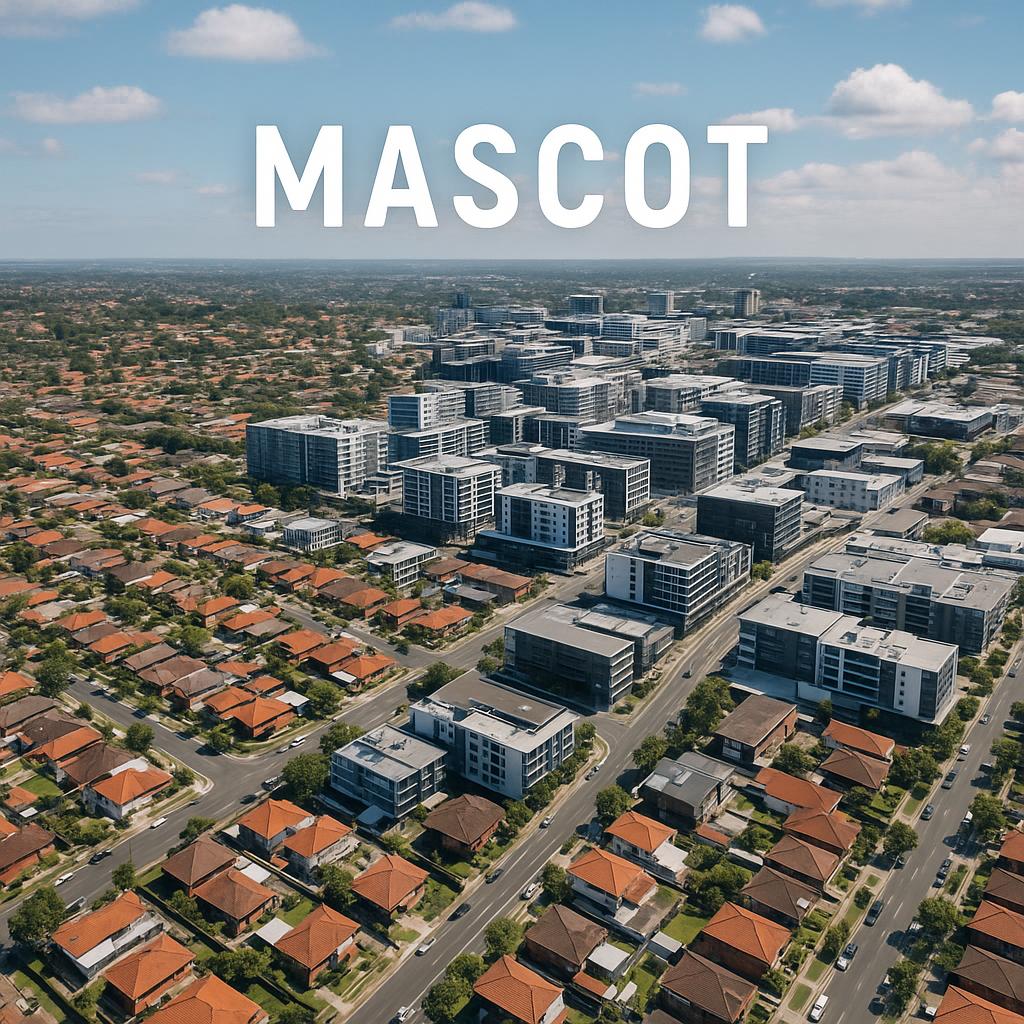
Mascot, located just 8 kilometers south of Sydney’s CBD, is characterized by a mix of residential and commercial properties. Its demographic profile includes a blend of families, young professionals, and students. The robust lifestyle offerings attract residents seeking convenience and community.
Investor View
Investors in Mascot are benefitting from rising property values influenced by demand for housing near transport and lifestyle amenities. Historical performance has shown gradual appreciation, making it a viable location for long-term investments. Consider investing in properties that accommodate young professionals and families, particularly near schools and parks.
Homeowner View
Mascot appeals to families for its community feel and accessibility. The challenges homeowners face include rising property costs and competition in the market. Residents often highlight involvement in local events as a vital part of their community engagement.
Market Drivers
Key infrastructure developments, along with economic factors like employment opportunities in nearby business hubs, are driving property price growth. Heavy investment in local businesses adds to the suburb’s appeal.
Cost of Living Breakdown
The cost of living in Mascot includes housing prices that are generally on the higher side compared to neighbouring suburbs like Kensington. For a typical household, monthly costs (including rent or mortgage, utilities, and transport) should be assessed against average income levels. It’s essential to use resources like the ABS for precise calculations and comparisons.
Transport & Commute Details
Pendently serviced by trains and buses, Mascot provides easy access to major highways and Sydney Airport. Commuters generally experience a smooth daily journey, making the suburb attractive for professionals. For instance, a 20-minute commute to the CBD can be a substantial draw for employees.
Property Type Guide
Residential properties in Mascot range from apartments to semi-detached homes. Investors should consider the pros and cons of each type, such as the rental yield for apartments versus the long-term appreciation potential of houses. A case study on a recently renovated apartment illustrates potential value increases when proximity to transport is maintained.
Rental Market Insights
The rental yield in Mascot has shown solid growth, benefiting from high demand fueled by professionals and students. For investors, understanding seasonal trends can help in pricing rental properties effectively.
Schools & Education
Mascot is home to several educational institutions, essential for families. The quality of schools often influences a family’s decision to settle in an area. Assess school performance through the NSW Government’s school finder for up-to-date ratings.
Lifestyle & Daily Life
Amenities in Mascot include parks, cafes, and recreational facilities. Residents enjoy a vibrant community spirit, often engaging in weekend markets and local events, which enrich their daily experiences.
Comparison with Nearby Suburbs
Compared to areas like Tempe and Stanmore, Mascot offers superior transport links but may have higher property prices. The benefits of choosing Mascot over nearby options include its central location and vibrant lifestyle offerings.
Future Growth & Development
Upcoming projects, especially in transportation and commercial sectors, are expected to have a positive impact on property values in Mascot. Regularly check local council plans for new developments.
Safety & Crime
Mascot typically reports lower crime rates compared to some urban areas. However, potential investors should consult local reports and safety statistics from official resources.
Who This Suburb Is Best For
Mascot suits families, young professionals, and investors seeking a balanced lifestyle. The proximity to Sydney Airport and extensive amenities cater to diverse demographic needs.
Due Diligence Checklist
- Research market trends and property performance statistics.
- Assess the area’s future infrastructure projects.
- Investigate local amenities and schools.
- Understand zoning laws and property regulations.
Red Flags & Watch-Outs
Be wary of potential overpricing in a competitive market. Regular assessments of the rental yield and local supply-demand dynamics can prevent investment missteps.
FAQ
- What are the average property prices in Mascot? Prices vary widely based on property type; consult real estate portals for current trends.
- How does the transport system work in Mascot? Mascot is well-served by trains, buses, and major roadways, providing great accessibility.
- What are the local amenities available for families? Numerous parks, schools, and shopping options are within the vicinity.
- Is Mascot a safe suburb for families? Generally low crime rates; check local safety statistics for peace of mind.
- What types of properties are available in Mascot? A mix of apartments, townhouses, and detached homes is prevalent.
- How is the rental market performing? The rental market has shown strong growth, driven by demand from locals.
Conclusion
Mascot holds significant investment potential driven by infrastructure growth and strategic location. Investors should conduct thorough research to navigate its dynamic property market effectively.
Sources & How to Verify
- Australian Bureau of Statistics – For demographic and economic data.
- NSW Planning Portal – To check local development plans.
- Transport for NSW – For public transport options.
- NSW Government Schools Finder – School performance data.
- Sydney Metro – Updates on transport projects.
- NSW Crime Statistics – For crime rates and safety information.
- Domain – Property price and rental evaluations.
- Realestate.com.au – Listings and market insights.