Quick Answer
The Batchelor property market in 2026 presents unique opportunities with affordable prices and the potential for growth due to upcoming infrastructure projects and a strong community vibe. Investment strategies should focus on the diverse property types available while homeowners can enjoy a lifestyle enriched by natural beauty and community engagement.
Key Takeaways
- Batchelor offers affordability compared to larger cities.
- Diverse property types are available, catering to both investors and families.
- Upcoming developments have the potential to increase property values.
Pros & Cons
Pros
- Affordable property prices compared to urban centers.
- Close-knit community with vibrant local culture.
- Access to stunning natural attractions and recreational activities.
Cons
- Limited amenities compared to larger urban areas.
- High reliance on tourism which can affect market stability.
Suburb snapshot
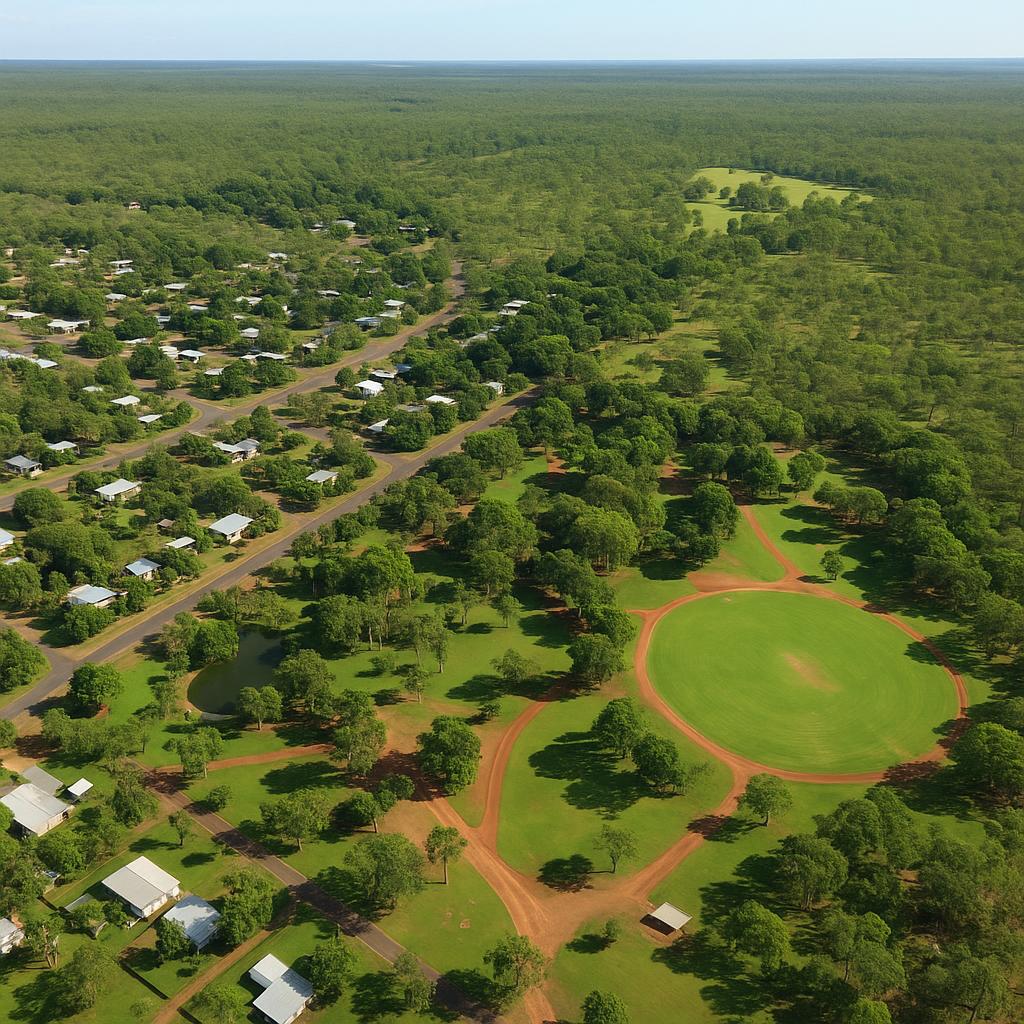
Batchelor is situated approximately 100 kilometers south of Darwin, offering a unique blend of rural and community living. With a population approaching 1,000, the suburb has a rich history influenced by its proximity to Litchfield National Park and its Aboriginal heritage. Current market conditions demonstrate steady demand, largely influenced by the area’s tourism popularity.
Investor view
Investing in Batchelor can be strategic, especially for properties catering to tourists and long-term residents. The most promising properties include:
1. Residential homes for families.
2. Short-term accommodations targeting park visitors.
3. Land for future development opportunities.
Case studies show successful Airbnb rentals yielding high returns during peak tourist seasons.
Homeowner view
Families will find Batchelor’s lifestyle appealing, thanks to its schools, parks, and community events. The suburb hosts markets, cultural festivals, and sports clubs, fostering a warm, inclusive atmosphere. Testimonials from residents highlight the sense of belonging and the region’s natural beauty as major draws.
Market drivers
Several economic factors influence property values in Batchelor. These include:
– The tourism sector, which is vital for local businesses and accommodations.
– Infrastructure developments, like improved road access and amenities, boosting market appeal.
Cost of Living Breakdown
Batchelor’s cost of living is competitive, particularly in terms of housing. Key living costs include:
– Groceries and utilities, generally aligned with or below national averages.
– Property taxes varying by property type; seeking professional advice is recommended.
Transport & commute
Public transport options remain limited; however, Batchelor is accessible via the Stuart Highway. Commute times to major centers, like Darwin, can range from 90 minutes up to 2 hours. Private vehicle access is advisable for convenience.
Property type guide
Batchelor offers a mix of property types, including:
1. Freestanding houses catering to families with yards.
2. Units and townhouses suited for investors and retirees looking for low-maintenance options.
3. Vacant land available for development.
–
Each type comes with its own set of pros and cons, particularly concerning yield potential and maintenance expenses.
Rental market insights
The rental market in Batchelor shows average rents that vary depending on property type and location. Short-term rentals may see high occupancy rates during tourist seasons, while long-term rentals cater primarily to local residents, ensuring stable income flows. Investors should calculate potential ROI, considering seasonal fluctuations.
Schools & education
Batchelor offers limited educational institutions but is within commuting distance of nearby towns with more options. Early childhood facilities are accessible, providing essential services for families. There is a growing focus on community-based educational programs.
Lifestyle & daily life
Outdoor recreation is a staple of life in Batchelor, with residents enjoying activities such as swimming, camping, and hiking in Litchfield National Park. Local dining options are modest but capture the unique cuisine of the region. Community events foster a strong sense of belonging.
Comparison with nearby suburbs
Compared to Palmerston and Darwin, Batchelor is characterized by a more relaxed pace of life. Property prices tend to be more affordable, but amenities like shopping and healthcare may be limited. Understanding these differences is essential for lifestyle choices.
Future growth & development
Future developments include infrastructure projects aimed at enhancing local transport and amenities. Predictions suggest that property values may rise as Batchelor becomes more developed, supported by tourism and local economic growth.
Safety & crime
Batchelor generally enjoys a reputation for safety, with community policing initiatives helping to maintain a low crime rate. Local feedback emphasizes a helpful and engaged community, making it a secure environment for families.
Who this suburb suits
Batchelor is an attractive option for families, retirees, and investors seeking affordable property options in a growing community. Testimonials showcase satisfaction across demographics, highlighting the area’s charm and available amenities.
Due diligence checklist
- Research property listings on platforms like Realestate.com.au.
- Review council plans for development on the local council website.
- Check with local property agents about recent sales activities.
Red flags & watch-outs
- Consideration of market fluctuations due to heavy reliance on tourism.
- Be wary of properties with high maintenance costs or located away from amenities.
Conclusion
Batchelor stands out as a vibrant community with a stable property market ripe for investment. Prospective homeowners and investors should consider the suburb’s unique attributes alongside careful market research and community engagement.
Sources & how to verify
- Northern Territory Government for up-to-date regulations and community news.
- Realestate.com.au for current property listings and sales data.
- Australian Bureau of Statistics for demographic and economic data.
- Local Government NT for council services and plans.
- NT Environment Protection Authority for environmental and safety reports.