Quick Answer
The Moil property market in the Northern Territory offers a blend of affordability and growth potential, catering to both investors and homeowners. Recent trends show an increasing demand for properties due to its family-friendly environment and access to amenities.
Key Takeaways
- Moil’s growth potential is notable due to rising local infrastructure and community engagement.
- An influx of families and young professionals is shaping the demographic landscape.
- Key property drivers include affordability and proximity to key services, though commutes may be longer.
Pros & Cons
Pros
- Affordable property prices compared to nearby suburbs.
- Access to parks and recreational facilities.
- Expanding amenities and services, enhancing lifestyle options.
Cons
- Distance from the city center may be a drawback for some residents.
- Limited public transport options compared to other areas.
Suburb Snapshot
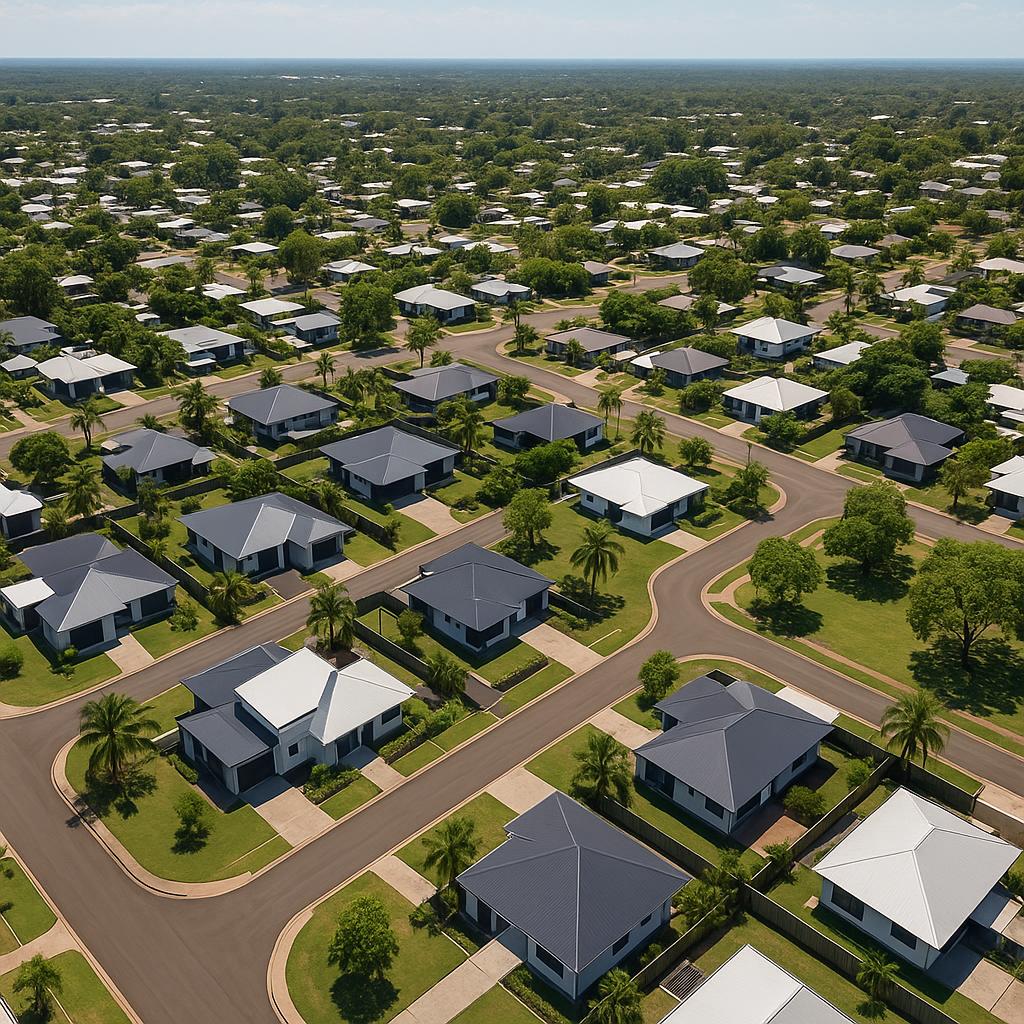
Moil is located approximately 12 kilometers northeast of Darwin’s CBD. Characterized by quiet streets and community-oriented living, it has seen a modest population growth over the past few years, shifting towards families and professionals seeking a peaceful lifestyle. Amenities like parks, shops, and schools are within easy reach, making it a desirable option for many.
Investor View
Investors are increasingly attracted to Moil for its solid rental yields and low entry point compared to surrounding suburbs. Notable successful investments include duplex renovations yielding high returns within a short period. Investors should research market trends through property management services or local agents to gauge expected returns.
Homeowner View
Moil is ideal for families and young professionals. The suburb features a range of properties from modest three-bedroom homes to larger family residences. Homeowners often highlight the community spirit and accessibility to schools as significant benefits. Local testimonials praise the peaceful atmosphere coupled with convenient local amenities.
Market Drivers
The growth in Moil is driven by factors such as ongoing infrastructure improvements and economic stability in the region. Increases in housing demand have complemented these trends, impacting property values positively. Investors should monitor local government announcements on infrastructure projects to maximize investment opportunities.
Cost of Living Breakdown
Moil provides a cost-effective lifestyle compared to the national average. Housing, transport, and groceries represent significant expenses, but overall, residents may find their living costs manageable. For more accurate budgeting, potential residents should explore local grocery stores and conduct cost comparisons with nearby suburbs.
Transport & Commute
Public transport options in Moil are limited, with few bus services available. Commute times to major workplaces in Darwin range from 20 to 30 minutes by car. Enhancements to cycling infrastructure have begun, supporting those looking for eco-friendly commuting options.
Property Type Guide
Properties in Moil include various types, primarily focusing on family homes and some units. Prices typically range from moderate to competitive, with demand for both renovated and newly built homes. Investors may find renovation opportunities appealing, given the growing interest in modernized living spaces.
Rental Market Insights
The rental market in Moil is stable, with current rents reflecting competitive yields. Demand for rentals tends to come from families relocating to the area for its community vibe and accessibility to schools. Prospective landlords should research local rental agents for up-to-date pricing and demographic details.
Schools & Education
Moil has access to several local schools, which contribute positively to property values in the area. The community engages in various educational initiatives, ensuring residents have access to quality education and fostering a family-friendly atmosphere.
Lifestyle & Daily Life
Moil features a vibrant community culture with regular local events. Dining options include cafes and takeaways, complemented by outdoor recreational facilities such as parks and playgrounds. The lifestyle suits those who value community engagement and outdoor activities.
Comparison with Nearby Suburbs
Compared to surrounding suburbs like Millner and Karama, Moil stands out with its affordable buying options and community atmosphere, while other areas may offer closer proximity to commercial hubs.
Future Growth & Development
Moil is poised for potential growth as infrastructure projects arrive. Government planning proposals may introduce new amenities enhancing the suburb’s appeal. Prospective investors should keep abreast of announcements from local councils and urban development agencies to align their investments with growth strategies.
Safety & Crime
Community safety in Moil remains a priority, with crime rates comparable to broader regional averages. Residents often engage in community meetings to discuss safety improvements. For verifiable information, consult local government sources and crime statistics for ongoing monitoring.
Who This Suburb Suits
Moil suits families, retirees, and young professionals looking for a community-centric lifestyle away from the hustle of city life. The diversity of residents adds to the suburb’s appeal, with case studies showing satisfaction across different demographics.
Due Diligence Checklist
- Research recent sales and rental prices through local agents.
- Verify school catchment areas against local listings.
- Engage qualified property inspectors for assessments.
- Understand local zoning laws and development plans.
- Consult community forums for real-time insights on living conditions.
Red Flags & Watch-outs
- Be cautious of overvalued properties due to recent market trends.
- Watch for signs of declining property maintenance in the neighbourhood.
- Consider the timing of your investment concerning local job market stability.
Conclusion
Moil represents a promising investment opportunity, balancing affordability with increasing amenities and lifestyle benefits. For homeowners, it offers community-oriented living ideal for families. Investors should remain vigilant to market changes and engage with local professionals for informed decisions.
Sources & how to verify
- Visit the Northern Territory Government for regional development plans.
- Check Australian Bureau of Statistics for population and economic data.
- Use Domain or Realestate.com.au for property listings and market trends.
- Engage with Transport NT for public transport routes and schedules.
- Consult local councils for up-to-date crime statistics and community safety plans.