Quick Answer
Fannie Bay is a coastal suburb in Darwin, NT, offering diverse housing options and a vibrant lifestyle. Market trends suggest steady growth, making it an attractive investment opportunity.
Key Takeaways
- Fannie Bay is characterized by its beautiful beaches and close-knit community.
- Both investors and homeowners have distinct advantages in this suburb.
- Understanding the local market dynamics is crucial for making informed decisions.
Pros & Cons
Pros
- Great lifestyle amenities
- Strong community feel
- Increasing property values
Cons
- Higher entry costs compared to surrounding areas
- Limited rental stock
- Potential for natural disaster impacts
Suburb Snapshot
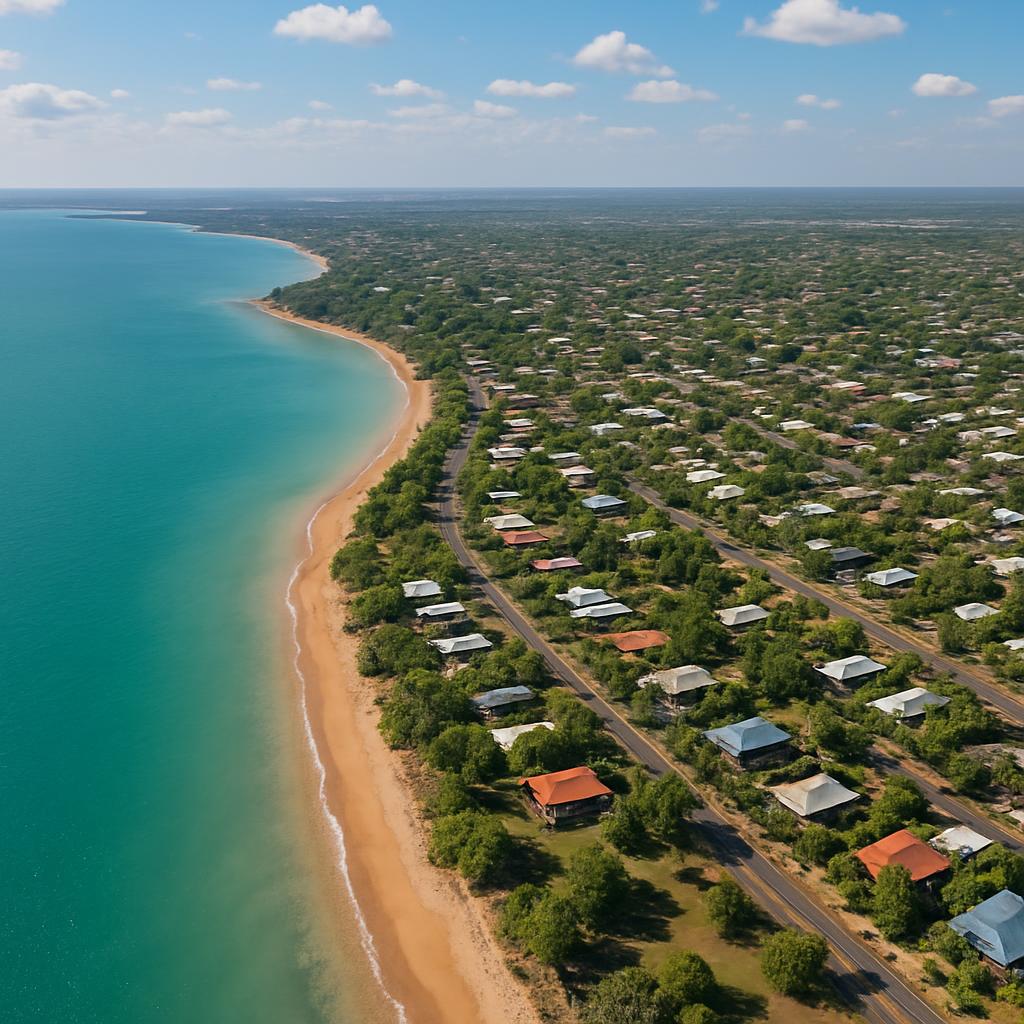
Fannie Bay boasts a prime location along the northern coastline of Darwin, known for its stunning beaches, parks, and a vibrant local business scene. The suburb is predominantly residential, with a mix of young families, retirees, and professionals contributing to its diverse demographic.
Investor View
Current trends indicate steady growth in Fannie Bay’s property market, with increasing interest from investors. For example, recent successful investments are often attributed to the suburb’s proximity to the Darwin CBD and stunning coastline. Investors note that properties here have shown resilience during market fluctuations, making it a desirable option.
Homeowner View
Fannie Bay appeals to families and retirees alike, offering a welcoming community atmosphere. Long-term residents often share anecdotes about the area’s strong community values and regular social events. Coupled with consistent property value appreciation over the years, homeowners are finding Fannie Bay an excellent place to live.
Market Drivers
Property demand is influenced by location, local amenities, and ongoing infrastructure projects. The recent upgrades to public facilities and amenities have positively impacted property values. Additionally, an influx of tourism helps bolster demand for local rentals, further stimulating the property market.
Cost of Living Breakdown
While housing costs in Fannie Bay can be higher than in surrounding suburbs, the lifestyle and amenities often justify the expense. Average utility expenses and grocery costs align closely with Darwin’s overall rates. For a detailed comparison, prospective buyers can access local council and utility provider websites.
Transport & Commute
Fannie Bay is well-serviced by public transport, with bus routes connecting residents to key areas in Darwin. Commute times to the CBD are generally around 10-15 minutes by car, while major roads and highways provide accessibility to the wider region.
Property Type Guide
Fannie Bay features a blend of property types including apartments, detached houses, and duplexes. Popular styles often include modern designs with outdoor spaces that capitalize on the climate, appealing to families and retirees alike.
Rental Market Insights
Rental prices in Fannie Bay tend to be competitive, with steady demand keeping vacancy rates relatively low. The dynamics of supply and demand favor investors looking for long-term returns, with prospective yields consistently being attractive compared to other Northern Territory suburbs.
Schools & Education
Fannie Bay boasts reputable primary and secondary schools, which appeal to families. Parents have praised educational quality and community engagement within schools. Special programs and extracurricular activities further enhance the educational experience.
Lifestyle & Daily Life
The suburb offers a wide range of weekend activities, from beach outings to local markets and community events. Fannie Bay’s dining and recreational facilities contribute to a vibrant lifestyle that attracts both families and professionals.
Comparison with Nearby Suburbs
When compared to suburbs like Parap and Nightcliff, Fannie Bay stands out for its beachside amenities and family-friendly environment. Investors often consider Fannie Bay for its growth potential against surrounding areas.
Future Growth & Development
Upcoming infrastructure projects promise to enhance the suburb’s appeal further. Demographic shifts, including an increasing number of young professionals and families moving into the area, suggest a positive trajectory for property demand.
Safety & Crime
Fannie Bay generally has a good safety record, supported by active community initiatives. Residents often participate in local safety programs, fostering a sense of community trust and cohesion. For current statistics, consult the Northern Territory Police website.
Who This Suburb Is Best For
Fannie Bay is ideal for families, retirees, and young professionals seeking a balance of lifestyle, community, and convenient access to amenities. Scenarios showcasing lifestyle compatibility highlight its suitability for diverse demographics.
Due Diligence Checklist
- Assess property value through comparable sales analysis.
- Check local council regulations for zoning and development plans.
- Research crime rates and community safety information.
- Investigate the availability of amenities and local services.
- Understand potential environmental risks and building safety.
Red Flags & Watch-Outs
- Be wary of properties facing potential natural disaster impacts.
- Avoid overvaluing properties based on transient trends.
- Understand the implications of local development plans on property values.
FAQ
- What are the average rental yields in Fannie Bay? Rental yields can vary; consult local real estate agents or property investment websites for up-to-date figures.
- Is Fannie Bay prone to natural disasters? The area is susceptible to cyclones. Research historical weather patterns for insight.
- What community initiatives are available? Fannie Bay offers various community engagement programs; check local council websites for details.
- How do school rankings compare to nearby suburbs? School rankings can fluctuate; visit the Northern Territory Education Department’s site for the latest information.
- What is the local nightlife like? Fannie Bay boasts a selection of cafes and restaurants, offering a relaxed yet vibrant atmosphere.
- Are there any upcoming infrastructure developments? For the latest updates, refer to the Darwin City Council’s planning documents.
Sources & how to verify
- Northern Territory Government
- Darwin City Council
- Realestate.com.au
- ABC News Australia
- NT Department of Education
Image Placement