Quick Answer
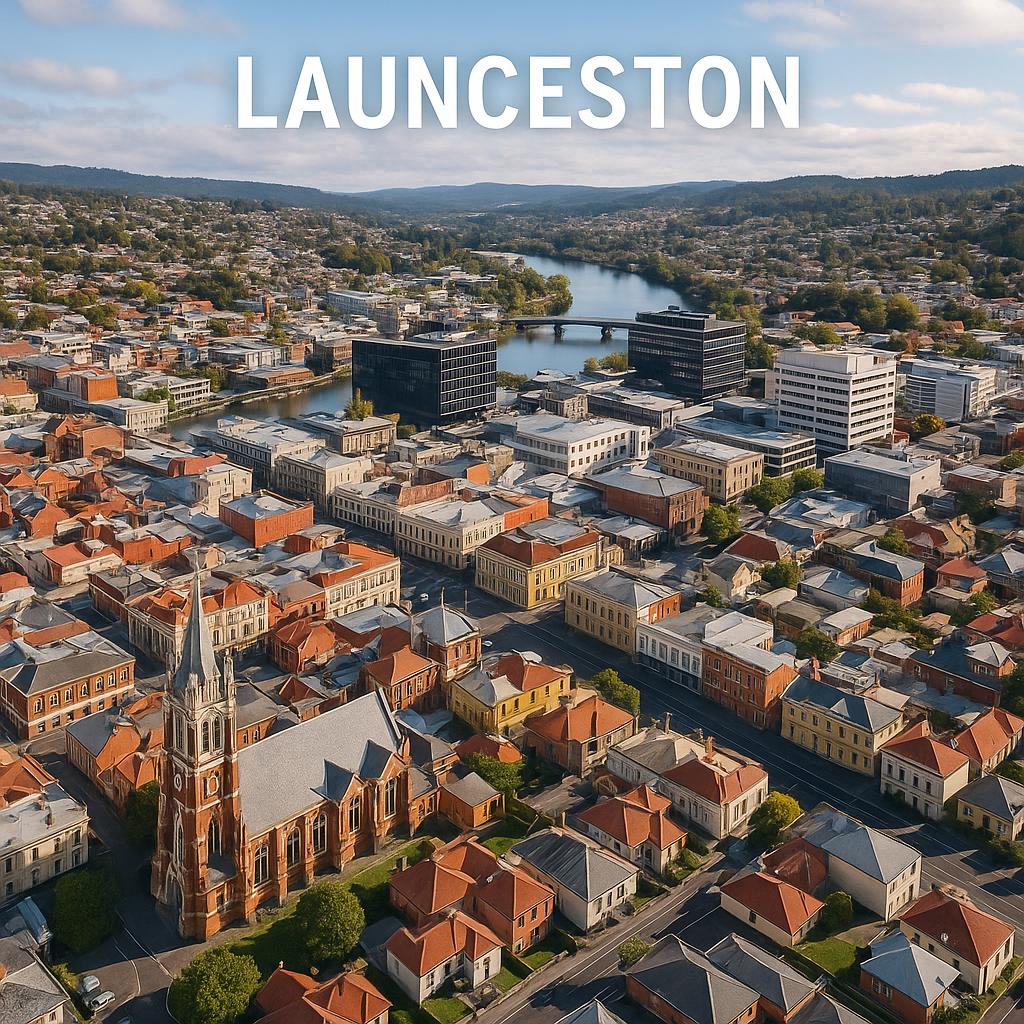
Launceston is emerging as an attractive destination for property investors and homeowners, offering affordable pricing, strong rental demand, and significant growth potential through upcoming infrastructure developments.
Key Takeaways
- Launceston’s property market is marked by affordability compared to major Australian cities.
- There is a robust demand for rental properties, influenced by a growing student population and tourism.
- Local amenities and infrastructure improvements are driving property value growth.
Pros & Cons
Pros
- Affordable pricing relative to other markets.
- Strong rental demand from local and out-of-state tenants.
- Growth in local amenities and infrastructure bolstering appeal.
Cons
- Potential for market volatility due to economic fluctuations.
- Limited high-end property options compared to metropolitan areas.
Suburb Snapshot
Located in Tasmania’s north, Launceston is the second-largest city in the state. The demographic profile includes a mix of families, retirees, and students, facilitated by the presence of educational institutions like the University of Tasmania.
Investor View
Investors should consider strategies for both short-term and long-term gains. With a mix of character homes and modern builds, yields may vary:
- Short-term investments can capitalize on the tourist market, especially during peak seasons.
- Long-term investments benefit from steady rental income due to consistent demand.
Case Study: An investor bought a three-bedroom home in a central suburb, renovating it for short-term holiday rentals, resulting in high occupancy and above-average rental yields.
Homeowner View
First-time buyers may find Launceston particularly enticing. Local government incentives and a comparatively lower cost of entry make homeownership achievable.
Story: A family relocating from Melbourne enjoyed their search, ultimately purchasing a modern home with a garden, highlighting Launceston’s appeal for families seeking a quieter lifestyle.
Market Drivers
- Economic growth is driven by tourism and local industries, prompting demand for housing.
- Infrastructure developments, including transportation links and community facilities, are enhancing living standards.
Cost of Living Breakdown
Essential living costs in Launceston are relatively affordable. A typical monthly budget for a family may include:
- Housing costs (rent/mortgage)
- Utilities and healthcare
- Groceries and transportation
For a detailed living expenses guide, refer to local planning resources.
Transport & Commute Details
Public transport includes buses that connect the city with surrounding suburbs, while major roads provide access to Hobart. A typical commute from Launceston to Hobart takes about 2.5 hours by car.
Scenario: A resident evaluating commute options can choose between public bus routes and private car travel, factoring in weekly schedules for convenience.
Property Type Guide
Launceston offers various property styles, including:
- Victorian Terrace Houses: Charming and historic, appealing for both rentals and homeowners.
- Modern Apartments: Suitable for low-maintenance living, popular with young professionals.
- Suburban Family Homes: Offering space and gardens are ideal for families.
Pros and cons of each type depend on your lifestyle preferences and investment goals.
Rental Market Insights
The rental market in Launceston is thriving, with demand significantly boosted by students and new residents. Average lease lengths typically range from 6 to 12 months, appealing to various tenant profiles.
Example: A typical Launceston renter may be a young professional, attracted to the affordability and lifestyle offerings.
Schools & Education
Launceston is home to several reputable schools and the University of Tasmania. The quality of local schools can directly influence the property values in those zones.
Story: A family searched diligently for property near top schools, indicating the importance of education facilities in real estate decisions.
Lifestyle & Daily Life
Launceston boasts a rich local culture with recreational activities, parks, and eateries that cater to diverse preferences. Residents often engage in local markets and festivals.
Case Study: A day in the life of a resident includes brunch at a local café, a stroll through the City Park, followed by a visit to the Queen Victoria Museum.
Comparison with Nearby Suburbs
When comparing Launceston with nearby suburbs like Hobart or Devonport, consider factors like lifestyle, affordability, and community feel. While Hobart tends to be pricier, it offers vibrant nightlife and urban amenities.
Scenario: Weighing Launceston against Hobart involves assessing personal lifestyle needs, such as proximity to work or school.
Future Growth & Development
Infrastructure projects, including upgrades to transport and community facilities, are predicted to enhance property values. Market expectations are favourable towards growth, particularly in the central regions.
Example: A recent development in central Launceston has brought modern retail options, contributing to increasing demand in housing.
Safety & Crime
Launceston is generally considered safe, with crime rates comparable to other regional centers. Community initiatives contribute to improved safety and engagement.
Narrative: Local neighbourhood watch programs emphasize community-driven approaches to crime prevention.
Who This Area Is Best For
Launceston suits a variety of demographics, including:
- Families looking for spacious living.
- Investors seeking affordable entry points.
- Retirees wanting a quieter lifestyle.
Due Diligence Checklist
- Research property prices and rental yields in the desired suburb.
- Inspect the property condition thoroughly.
- Account for future developments that may affect your investment.
- Look into local council regulations and requirements.
Red Flags & Watch-outs
- Declining rental demand or rising vacancy rates.
- Properties requiring significant repairs.
- High turnover rates in rentals, indicating tenant dissatisfaction.
FAQ
- What is the average rental yield in Launceston? Yields can vary, typically around 5-7%, depending on location and property type.
- Is Launceston safe? Generally regarded as a safe city, though local crime statistics should be reviewed.
- What amenities are available? Launceston offers schools, parks, shopping, and recreational facilities that cater to families and young professionals.
- How does Launceston compare to Hobart? More affordable but may lack some urban amenities found in Hobart.
- Are there growth forecasts for Launceston? Yes, upcoming infrastructure projects and improved amenities suggest positive growth trends.
- What types of properties are available? A variety including family homes, apartments, and character houses are present.
Conclusion
In summary, Launceston presents a compelling case for both buyers and investors, driven by affordability, lifestyle quality, and potential future growth. Engaging with local real estate professionals will yield beneficial insights tailored to individual goals.
Sources & how to verify
- City of Launceston
- Australian Bureau of Statistics
- Tasmania Department of Education
- Realestate.com.au
- Domain.com.au
- Transport Tasmania