Quick Answer
The Epping property market in 2026 is characterised by strong investor appeal driven by excellent transport connectivity, educational institutions, and family-friendly amenities. Investors should consider the area’s growth potential balanced against rising demand and property prices.
Key Takeaways
- Growth potential and investment appeal due to infrastructure developments.
- Lifestyle benefits for homeowners, including parks and community events.
- Factors influencing the property market include transport links and local amenities.
Pros & Cons
- Pros:
- Strong transport links, enhancing commute options.
- Family-friendly amenities and recreational facilities.
- Potential for capital growth with increasing demand.
- Cons:
- Competitive market, making it challenging for new buyers.
- Rising property prices, potentially outpacing income growth.
- Limited inventory, leading to fewer available options.
Suburb Snapshot
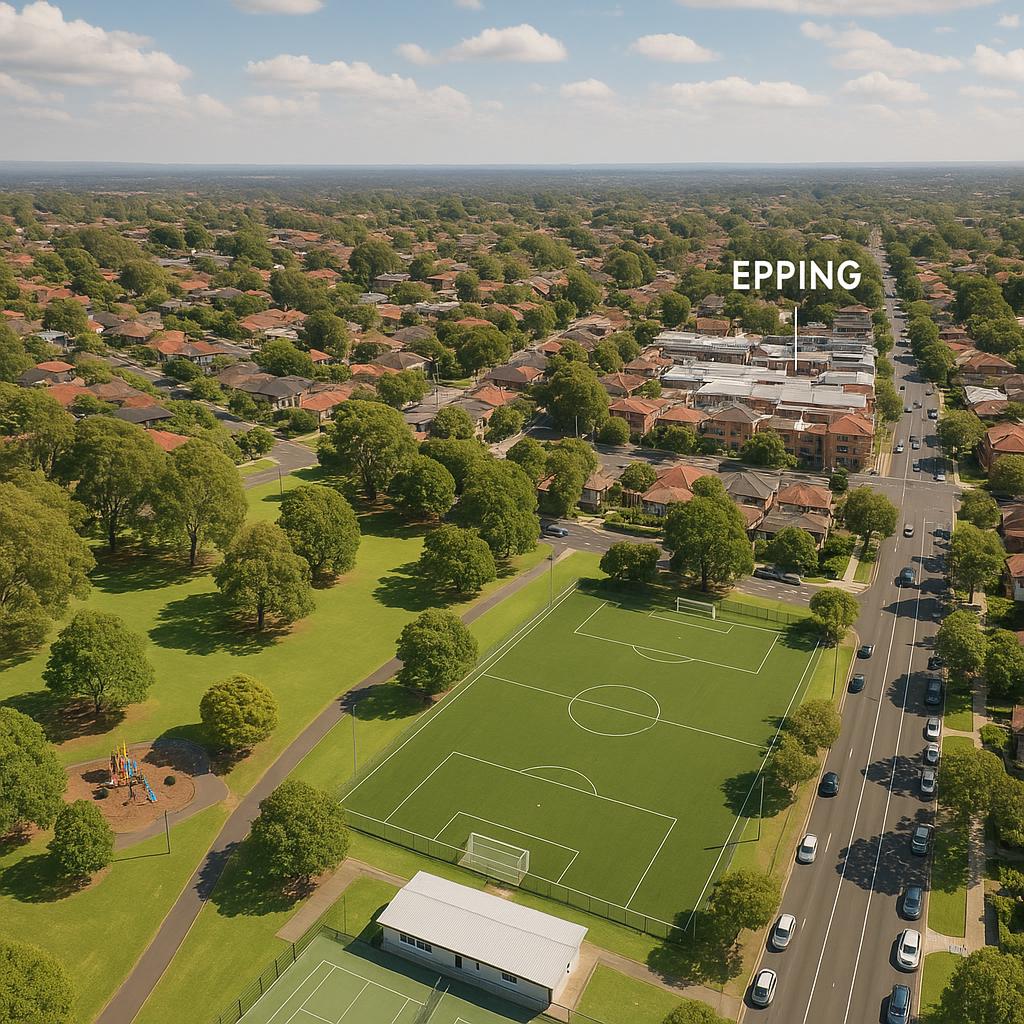
Epping features a diverse community with a mix of families, professionals, and retirees. Historical property trends indicate fluctuating yet generally upward pricing, largely supported by ongoing infrastructure investments. Key amenities include local parks, shopping centres, and recreational facilities within walking distance, fostering a vibrant community atmosphere.
Investor View
Current investment opportunities in Epping are robust, with many properties experiencing increased demand, resulting in competitive bids. Investors can expect moderate returns based on current yield maps from local listings. When comparing Epping to nearby suburbs like Eastwood and Ryde, Epping stands out for its balance of residential comfort and investment potential.
Homeowner View
Typical homebuyer profiles in Epping include families seeking spacious living and professionals prioritising proximity to transport hubs. Homeowners benefit from local amenities, parks, and reputable schools, fostering a family-friendly environment that attracts long-term residents.
Market Drivers
The growth of Epping is heavily influenced by infrastructural developments, notably the North West Metro line, enhancing connectivity. Economic factors such as job growth in nearby suburbs are contributing to increased demand, confirming Epping’s strategic advantage.
Cost of Living Breakdown
The average living expenses in Epping align with Greater Sydney standards, with housing costs being the primary contributor. It’s essential to compare expenses against income levels to ascertain disposable income, which may impact affordability.
Transport & Commute
Epping offers extensive public transport options including train services and bus routes, facilitating easy commutes to Sydney’s CBD and surrounding areas. Commute times are generally between 30-40 minutes, enhancing its appeal as a residential choice for professionals.
Property Type Guide
Epping features a diverse range of properties, from modern apartments to family-sized homes. Typical house sizes range from 500 to 800 square metres, while apartments generally vary from 60 to 100 square metres, catering to a variety of buyer needs and investment strategies.
Rental Market Insights
Current rental trends show a steady increase in yields, making Epping an attractive option for landlords. Properties usually command a favorable rental rate due to high demand, with a noticeable increase in inquiries since the new transport upgrades.
Schools & Education
Epping is home to several well-regarded schools and educational institutions, which play a significant role in attracting families. Proximity to tertiary education facilities further enhances the suburb’s appeal for long-term residents.
Lifestyle & Daily Life
The suburb offers numerous recreational facilities, including parks, local cafes, and a vibrant shopping scene. Community events enrich the lifestyle, providing opportunities for residents to engage and connect.
Comparison with Nearby Suburbs
Compared to suburbs like Eastwood and Ryde, Epping offers a stronger combination of lifestyle amenities and public transport, attracting a variety of demographics, including families and young professionals.
Future Growth & Development
Future development projects are anticipated to amplify Epping’s appeal, with enhancements to community infrastructure expected to drive property values higher.
Safety & Crime
While perceptions of safety are generally positive, it’s advisable to consult official statistics from local police and community resources for the most current insights into crime trends in the area.
Who This Suburb Suits
Epping is ideal for families, young professionals, and investors focused on long-term growth. The balance of lifestyle amenities and transport accessibility makes it well-suited for various demographics.
Due Diligence Checklist
- Investigate local property sales history.
- Review council regulations and zoning laws.
- Understand community demographic trends.
- Check availability of schools and health services.
- Examine potential for future developments.
Red Flags & Watch-Outs
- Market trends showing significant price spikes may indicate volatility.
- Limited inventory could result in hasty purchase decisions.
- Be cautious of upcoming infrastructure projects that may cause temporary disruptions.
FAQ
- What is the average price of homes in Epping? Prices can vary widely; refer to real estate sites for current figures.
- How is the rental market trending in Epping? The rental market sees steady demand; yields are generally favorable.
- Are schools in Epping highly rated? Yes, many local schools are well-regarded for their performance.
- What are the commute times like from Epping to Sydney CBD? Typical commute times are approximately 30-40 minutes.
- Is Epping safe? Safety is generally good, but always consult local resources for up-to-date information.
- What amenities does Epping offer? There are numerous parks, shops, and cafes, making it a vibrant community.
- How does Epping compare to nearby suburbs? It generally offers superior transport links and family-friendly amenities.
Sources & how to verify
- Australian Bureau of Statistics (ABS) – Demographic and property statistics.
- Transport for NSW – Public transport options and accessibility.
- NSW Government – Local initiatives and infrastructure developments.
- NSW Planning Portal – Information on zoning and planning laws.
- Real Estate Australia – Current property listings, prices, and rental rates.
- NSW Department of Education – School performance metrics.
- The Daily Telegraph – Local news updates on property and community.
- Parramatta City Council – Local government resources and community plans.