Quick Answer
Sutherland, located in New South Wales, presents a vibrant property market in 2026, underpinned by strong investment opportunities due to its lifestyle appeal and proximity to Sydney CBD. However, potential challenges such as market volatility exist, emphasizing the need for thorough research.
Key Takeaways
- Population growth indicates a rise in demand for housing.
- Investment returns are bolstered by steadily increasing rental yields.
- Infrastructure projects are set to enhance transport links and community services.
Pros & Cons
Pros
- Beautiful natural surroundings with parks and the nearby coast.
- Strong community amenities including schools, shops, and healthcare.
- Excellent transport links to Sydney, making it attractive for commuters.
Cons
- Market volatility could affect property values.
- High competition for residential properties may drive up prices.
- Limited commercial property options for investors.
Suburb snapshot
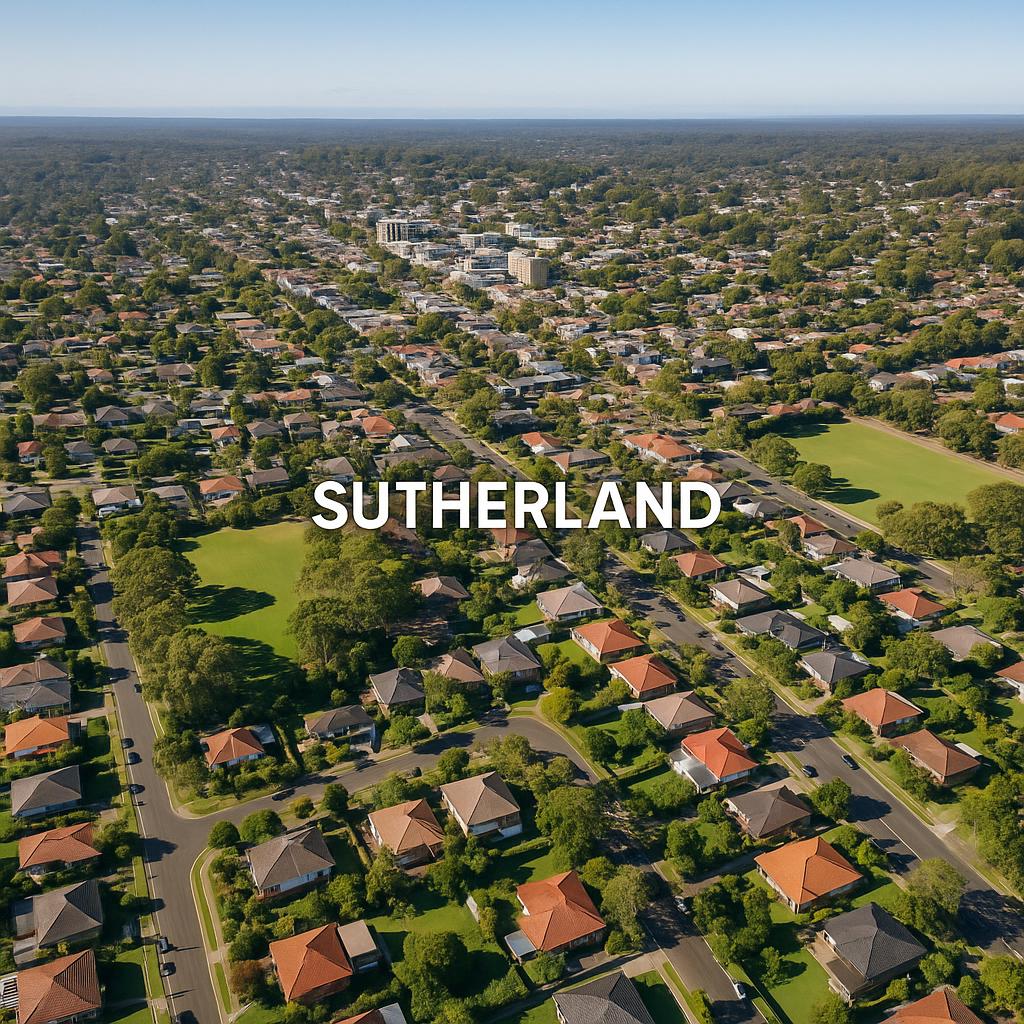
Sutherland has a diverse demographic with families, professionals, and retirees. Average household incomes align with Greater Sydney averages, while the community thrives on a mix of detached houses and low-rise apartments. Local amenities include recreational parks, sports facilities, and various dining options.
Investor view
Investors can expect solid returns owing to sustainable demand and a growing population. Historical trends have been positive, with case studies indicating that properties near transport hubs perform exceptionally well. Successful investors often focus on well-located, family-friendly residential properties.
Homeowner view
Homeowners typically seek properties with yard space and amenities nearby. Challenges include managing costs associated with home maintenance and utilities. Local homeowners often appreciate the balance of suburban living with urban convenience.
Market drivers
- Employment opportunities in local industries support property demand.
- Population growth attributed to incoming families and professionals.
- Upcoming infrastructure projects promise improved transport and amenities.
Cost of Living Breakdown
The cost of living in Sutherland includes housing, groceries, and transport.
- Housing: Costs fluctuate; it’s advisable to compare with suburbs like Kogarah and Hurstville.
- Groceries: Closer to major shopping centres can increase convenience.
- Transport: Public transport options (train and bus) are well-connected, but spot checks on commuting costs are recommended.
Transport & commute
Sutherland’s transportation system is robust, featuring multiple bus routes and a trtrain stationhat connects to the Sydney CBD. Expect a commute of roughly 40–50 minutes to central Sydney, an appealing option for professionals.
Property type guide
- Houses: Larger homes are popular, especially among families.
- Apartments: Generally attract young professionals; demand for low-maintenance living is on the rise.
- Eco-friendly homes: Sustainability trends are influencing new builds.
Rental market insights
The rental market is competitive, with yields typically around the state average. Rental prices vary across property types, with apartments usually commanding lower rents than houses. Understanding tenant demographics helps tailor properties to meet demand.
Schools & education
Sutherland boasts several reputable primary and secondary schools. Local feedback indicates strong community support for educational facilities, as evidenced by positive parent reviews. Special education resources are available, further enriching the educational landscape.
Lifestyle & daily life
The local culture is vibrant, featuring community events, markets, and outdoor activities, which foster a sense of belonging. Residents benefit from access to parklands, shopping districts, and recreational facilities, enriching daily life.
Comparison with nearby suburbs
When compared to suburbs like Wyong and Campsie, Sutherland offers a blend of urban and suburban lifestyle but may experience higher property values due to demand.
Future growth & development
Significant infrastructure projects are slated to enhance Sutherland’s appeal, including transport upgrades and community facilities. Historical growth rates have shown continuity, making future developments predictable and promising.
Safety & crime
Safety ratings are generally favorable, but prospective buyers are encouraged to consult official sources such as the NSW Police Force for the latest statistics and community safety tips.
Who this suburb suits
Sutherland is ideal for families seeking outdoor lifestyles, young professionals drawn to vibrant community life, and retirees wishing for peaceful surroundings yet accessible amenities.
Due diligence checklist
- Research recent sales and rental trends in the area.
- Inspect properties for structural integrity and potential repairs.
- Review local council regulations regarding property development.
- Engage a legal or real estate professional for advice.
Red flags & watch-outs
- Monitor economic indicators that may affect property values.
- Be cautious of sudden infrastructure changes impacting accessibility.
- Stay informed on community development plans affecting local amenities.
FAQ
- What are the benefits of buying vs renting in Sutherland? Buying can provide long-term security and investment growth; renting offers flexibility.
- What trends should I watch for in the Sutherland property market? Look for shifts in demographic preferences and local employment growth.
- How do I find the best schools in the area? Consult the NSW Government School Finder for comprehensive data.
- Are there any hidden costs when purchasing property? Typical hidden costs include stamp duty, legal fees, and maintenance expenses.
- How can I verify local safety data? Local government and NSW Police Force websites provide up-to-date statistics.
- What’s the average time to sell a property in Sutherland? Typically ranges due to market conditions, but average timelines can be checked via local real estate agencies.
Conclusion
In summary, Sutherland’s property market holds considerable potential for growth, attractive to both investors and homeowners. Completed due diligence can significantly aid in making informed decisions for property acquisitions.
Sources & how to verify
- Australian Bureau of Statistics – demographic and economic data.
- Transport for NSW – transport and commuting information.
- NSW Police Force – safety ratings and crime statistics.
- NSW Department of Education – local school information.
- Sutherland Shire Council – local council information and services.
- Realestate.com.au – property listings and market trends.
- Domain – rental and sales analytics.
- NSW Planning Portal – infrastructure and development updates.