Quick Answer
The Bankstown property market in 2026 presents a robust prospect for both investors and homeowners, characterized by ongoing infrastructure developments and diverse property types. Key opportunities include residential units and townhouses, with a slight risk posed by increasing competition in nearby suburbs.
Key Takeaways
- Property prices showing steady appreciation with a resilience in rental yields.
- Significant infrastructure projects poised to enhance accessibility and amenities.
- Demographic trends leaning towards younger families seeking community-centric living.
- Comparison with suburbs like Liverpool and Blacktown highlights competitive pricing.
Pros & Cons
Pros
- Strong growth potential amplified by diverse housing options.
- Excellent access to local amenities including parks and shopping complexes.
- Public transport connecting residents to Sydney’s CBD efficiently.
Cons
- Potential challenges in the rental market with a growing supply.
- Increasing competition in nearby suburbs affecting market share.
Suburb Snapshot
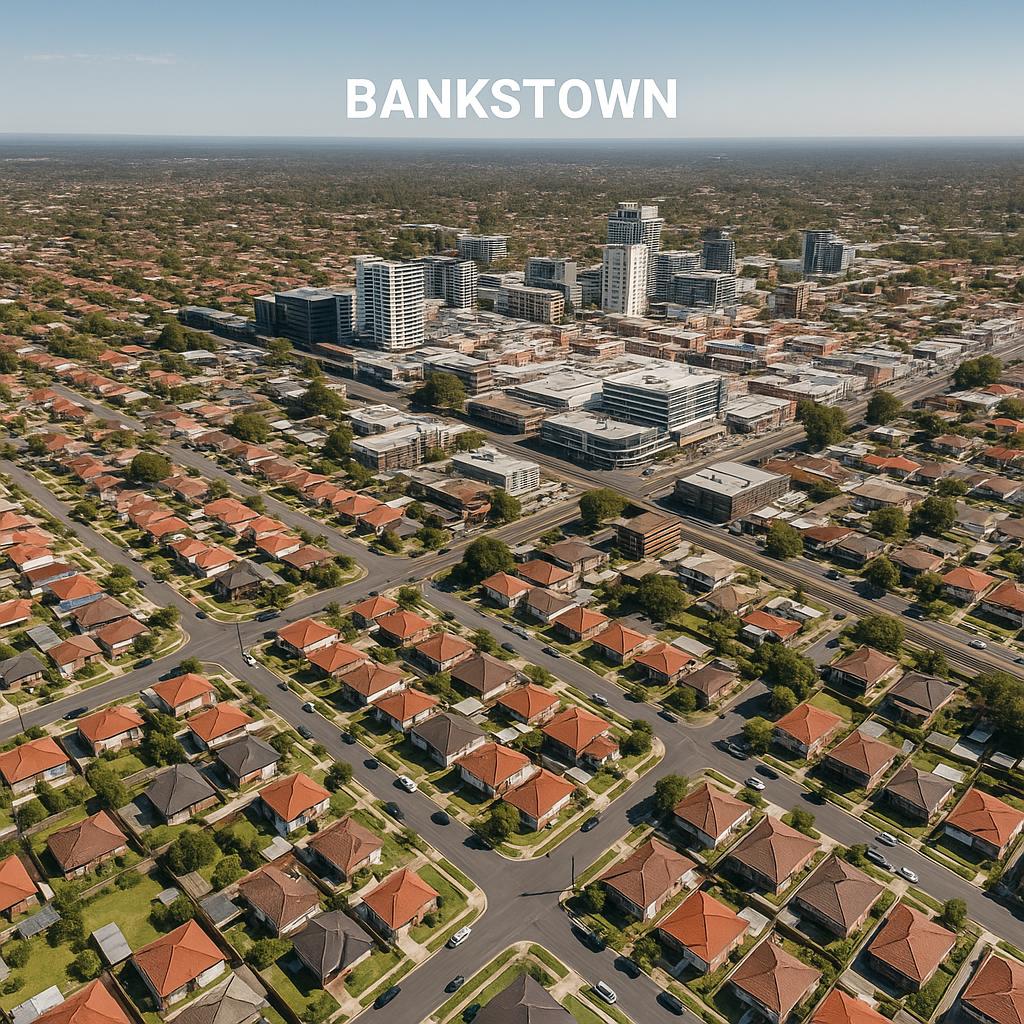
Bankstown is a vibrant suburb located in New South Wales, known for its multicultural community and range of amenities. With a population exceeding 20,000, it reflects a diverse demographic blend, with a mix of families, professionals, and retirees residing here. The historical context of Bankstown reveals periods of significant property market fluctuation, but recent trends indicate a consolidated growth pattern.
Investor View
For investors, Bankstown presents numerous opportunities. Properties such as well-located townhouses and apartments have recorded strong performances. Investors may consider both long-term buy-and-hold strategies and short-term rental yields depending on the property type. Successful investment instances include capturing growth in the precinct around the Bankstown Central shopping hub.
Homeowner View
Homeowners often appreciate Bankstown’s community environment. Families find appeal in local parks like Paul Keating Park, making it ideal for children. Residents frequently cite the suburb’s vibrancy and community events as primary reasons for settling here. Case studies indicate that families moving into Bankstown value educational opportunities and lifestyle amenities.
Market Drivers
- Economic Factors: Increase in local employment opportunities—particularly with new business initiatives.
- Infrastructure: Plans for station upgrades and expanded retail centres boost market confidence.
- Transportation: Access to major highways enhances commuting options.
Cost of Living Breakdown
The cost of living in Bankstown is relatively lower compared to inner Sydney areas. Key expenses, including housing and utilities, typically range from moderate to above-average, while transportation costs reflect Bankstown’s efficient public transport system. To verify updated statistics, potential residents may consult resources like the Australian Bureau of Statistics.
Transport & Commute
Bankstown is well-served by public transport, including the Bankstown train station, connecting residents to Sydney’s CBD within approximately 30 minutes. Real-life commuting examples illustrate the convenience of carpooling options and bus routes for those working in nearby suburbs. Commuting times are generally manageable, appealing to professionals.
Property Type Guide
Bankstown offers a variety of property types, including:
- Apartments: Favoured by young professionals and investors seeking high rental yield.
- Houses: Popular among families desiring larger living spaces.
- Townhouses: Middle-ground option appealing to both singles and families.
Illustrative scenarios suggest that investors may look towards apartments near public amenities for high rental demands, while families may prefer standalone houses with garden space.
Rental Market Insights
The rental market in Bankstown shows resilience with ongoing demand. Rental prices have been stable, although slight variations occur based on property type and location within the suburb. Tenant demographics predominantly include young families and working professionals. A recent case study identified high rental yield performance in modern townhouse developments.
Schools & Education
Educational facilities in Bankstown range from primary schools to high schools, with several institutions rated positively in their academic performance. Comparing with neighbouring areas indicates competitive options for families seeking quality education. Sources like the NSW Government school finder are excellent tools for verifying school quality and location.
Lifestyle & Daily Life
Bankstown’s lifestyle is enriched by shopping centres, parks, and dining options catering to various tastes. Community events such as local festivals foster engagement among residents. Testimonials frequently highlight the quality of life, emphasising a blend of urban convenience and suburban tranquillity.
Comparison with Nearby Suburbs
When compared to suburbs like Liverpool and Blacktown, Bankstown showcases strengths in accessibility and amenities, yet faces competition regarding rental rates and property prices. Prospective buyers may find specific advantages in lifestyle options available in Bankstown versus neighbouring regions.
Future Growth & Development
Future development plans include significant transportation upgrades and residential projects, promising to catalyse further population growth. State initiatives also seek to make Bankstown a focal point for business development, enhancing property value in the long run.
Safety & Crime
While Bankstown’s crime rate aligns with many suburban areas, local residents often express concerns. Engaging with resources such as NSW Police allows for verification and assessment of safety metrics. Community-led initiatives aim to improve safety perceptions further.
Who This Suburb Suits
Bankstown is ideal for a diverse demographic, including young professionals, families, and retirees seeking a community-oriented lifestyle. Factors such as reasonable living costs and access to amenities make it particularly attractive.
Due Diligence Checklist
- Check current property listings and trends on reputable sites.
- Verify property amenities and proximity to public transport.
- Assess historical price growth trends.
- Engage with local community groups to understand nuances.
- Consult with financial advisors or property experts.
Red Flags & Watch-outs
- Be cautious of listings showing rapid price fluctuations.
- Look for hidden costs associated with property purchases.
- Research area developments that may impact future value.
FAQ
- What is the average property price in Bankstown? – Prices vary widely; check local listings for current averages.
- How does public transport work in Bankstown? – Trains and buses provide comprehensive coverage.
- What community amenities are available? – Parks, shopping centres, and schools are well-distributed.
- Is Bankstown safe? – Crime rates are comparable; research local statistics for details.
- Which demographic lives in Bankstown? – A mix of families, professionals, and retirees.
Conclusion
In summary, Bankstown presents a worthwhile consideration for property investments or residential living. With ongoing development and a diverse range of property types, the suburb stands out as a balanced choice for both investors and homeowners. We encourage prospective buyers to engage in thorough research and market analysis to make informed decisions.
Sources & how to verify
- Australian Bureau of Statistics
- NSW Government school finder
- NSW Police
- NSW Government Official Site
- Real Estate Australia
- Domain
- Property.com
- Transport for NSW
- NSW Planning Portal