Quick Answer
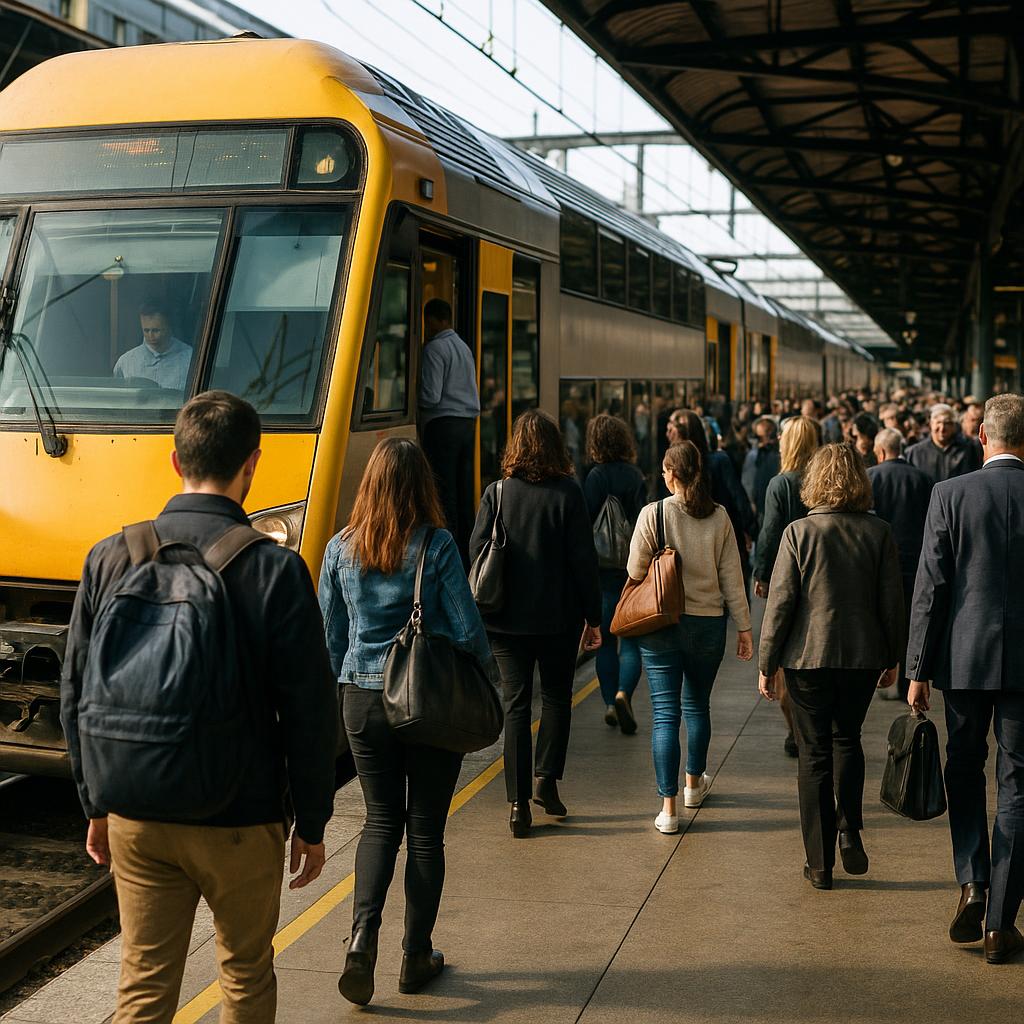
Sydney features a robust transport network, including trains, buses, ferries, and major roadways, facilitating ease of commute across the city. Typical travel times vary, with public transport options providing quick access to key employment areas, enhancing property value and lifestyle.
Key Takeaways
- A diverse public transport network enhances connectivity.
- Proximity to transport hubs often correlates with higher property values.
- Convenience impacts overall lifestyle and work-life balance.
Pros & Cons
Pros
- Extensive public transport network covering major areas.
- Access to employment hubs such as the CBD and Parramatta.
- Increased property values due to transport accessibility.
Cons
- Peak hours can lead to overcrowDED public transport.
- Major arterial roads often experience heavy traffic congestion.
- Parking availability may be limited in certain suburbs.
Suburb snapshot
Key Sydney suburbs with noteworthy transport links include:
- Chatswood: A major commercial district with train and bus connections.
- Bondi Junction: Linking to diverse bus networks and the Eastern Suburbs train line.
- Parramatta: An emerging hub with significant rail connectivity and growth potential.
These areas benefit from diverse demographics, comprising professionals, families, and students, contributing to a vibrant local economy.
Investor view
For property investors, transport links are critical in determining long-term value growth. Areas with superior public transport options tend to attract a consistent tenant pool, ensuring lower vacancy rates and solid rental yields.
Case Study: In Erskineville, property values have surged due to developments in train services and local amenities, yielding impressive long-term returns.
Investors should assess scenarios where proximity to transport correlates with tenant demand, particularly in emerging suburbs linked to new infrastructure projects.
Homeowner view
Homeowners with easy access to transport often report enhanced quality of life. For families, proximity to schools and parks combined with convenient commute options fosters a balanced lifestyle.
Consider a family’s experience in Marrickville, where regular train services have transformed their daily commute into a stress-free journey to the city, resulting in higher satisfaction and community engagement.
Market drivers
- Government initiatives aiming to improve transport efficiency boost local property markets.
- Investments in infrastructure, such as new metro lines, drive demand for housing.
- Examples include the Metro Northwest project, which has led to increased interest and property value rises in surrounding suburbs.
Due diligence checklist
When evaluating transport options in a suburb:
- Assess the variety of public transport options available.
- Evaluate average commute times to major employment zones.
- Investigate local council transport plans and developments.
- Consider proximity to major roads and congestion during peak times.
- Review accessibility for family members, especially for school-bound children.
Red flags & watch-outs
- Be mindful of noise pollution from nearby transport hubs.
- Account for potential delays or schedule changes impacting commute times.
- Monitor areas anticipating transport changes that might disrupt value.
FAQ
- How do transport links affect property values? Transport accessibility often correlates with higher demand and, consequently, property values, making these areas desirable.
- What public transport options are best for commuting? In Sydney, trains and buses provide the most effective means for daily commutes, with ferries also offering scenic routes.
- Are there any council plans for transport improvements? Checking local council websites and Transport for NSW can provide insights into ongoing or future infrastructure projects.
- How does public transport accessibility influence tenant retention? Areas with good transport links typically have higher tenant retention due to ease of access to work and amenities.
- What role do schools play in transport considerations? Proximity to reputable schools also enhances property appeal, particularly for families relying on public transport.
Conclusion
Understanding transport links is integral when considering property investments in Sydney suburbs. Proximity to diverse and efficient transportation not only influences property values but also enhances the lifestyle of residents. Balancing convenience with other residential factors is essential for making informed property decisions.
Sources & how to verify
- Transport for NSW – Official public transport information.
- NSW Government – Infrastructure development and planning updates.
- Australian Bureau of Statistics – Demographics and economic data.
- NSW Planning Portal – Comprehensive planning and transport data.
- Realestate.com.au – Property listings and market insights.
- Sydney Metro – Updates on metro developments and benefits.
- Sydney Connect – Community updates and transport information.
- NSW Local Councils – Local infrastructure and transport plans.