Quick Answer
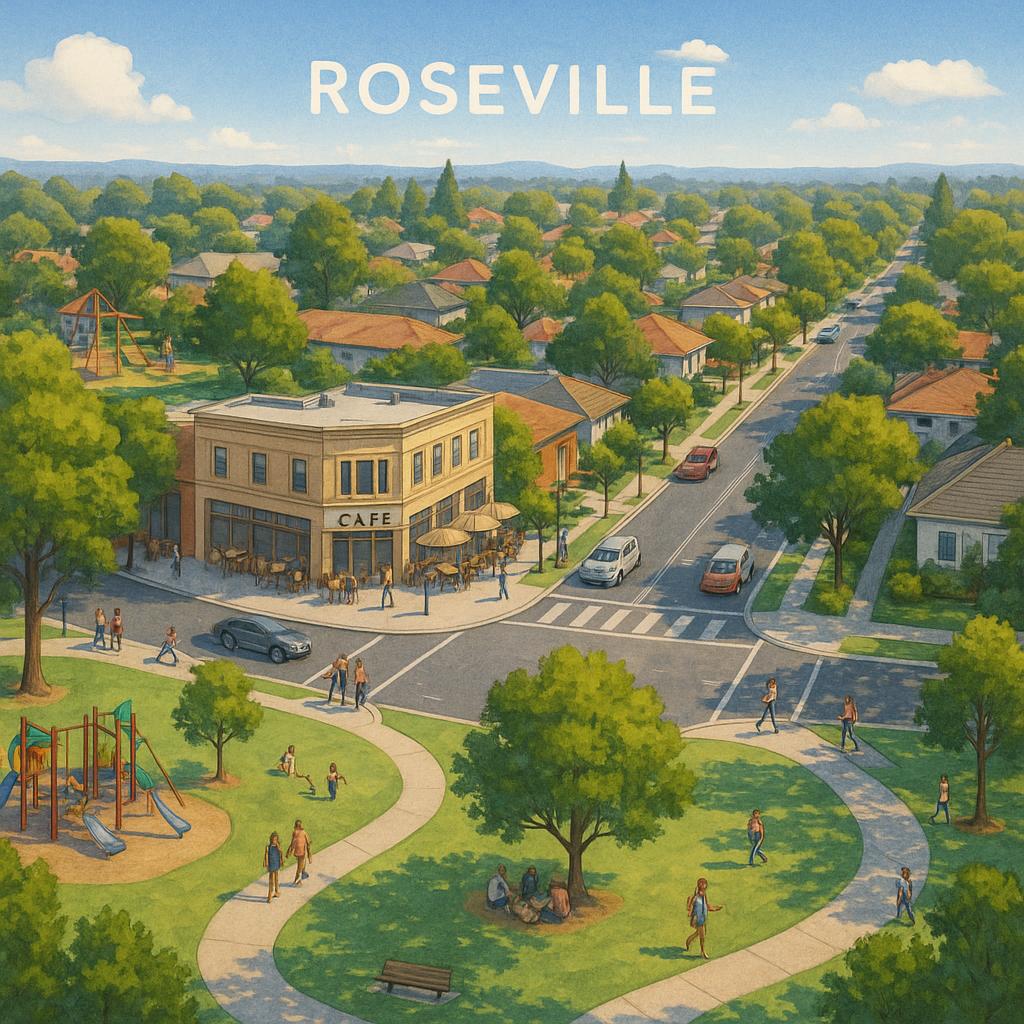
Roseville is a picturesque suburb located on Sydney’s North Shore, known for its leafy streets, proximity to Chatswood, and vibrant local culture. Accessibility via train and major roads makes it a convenient choice for commuters. Key amenities include parks, shopping options, schools, and cafes, contributing to a family-friendly vibe.
Key Takeaways
- Rich lifestyle hotspots enhance living experience and community engagement.
- High amenity score, reflecting the availability of essential services and recreational options.
- Investors benefit from diverse demographic appeal; homeowners enjoy a tight-knit community atmosphere.
Pros & Cons
Pros
- Strong community vibe and engagement.
- Diverse amenities catering to various needs.
- Accessibility to major areas and transport options.
Cons
- Potential traffic congestion at peak times.
- Rising property prices impacting affordability.
- Occasional noise from commercial areas.
Suburb snapshot
Roseville’s geography is characterized by its leafy green surroundings and access to bushland reserves. The demographic makeup is diverse, with families, young professionals, and retirees living harmoniously.
Main lifestyle hotspots include:
- Parks: The Roseville Park and nearby Lane Cove National Park offer recreational activities.
- Cafes & Restaurants: A variety of dining options, notably the thriving café culture around Roseville Avenue.
- Shopping Centers: The Roseville Village shopping precinct provides essential services and local retail.
Public transport is highly convenient, with the Roseville train station providing direct access to Sydney’s city center, making it appealing for commuters.
Investor view
As of late, Roseville has shown consistent property appreciation, driven by high demand and limited supply. Investors should pay attention to the following:
- Key amenities attracting tenants include local cafes and parks, essential for family living.
- A case study example involves a property purchased in 2018 that appreciated significantly due to increasing demand in the North Shore for family-friendly suburbs.
Homeowner view
Homeowners value Roseville for its community feel and amenities. Local schools are well-regarded, enhancing the suburb’s appeal to families. For instance, a family might choose Roseville for its reputable education options and safe neighborhood, drawn to the local parks where children can play and community events are held.
Market drivers
Several economic factors drive growth in Roseville:
- Development Projects: Ongoing residential developments are expected to enhance the suburb’s appeal.
- Transport Links: Easy access to major employment hubs, like Chatswood and Sydney CBD, drives demand.
- Recent success stories of local businesses, such as cafes and shops, further contribute to local economic stability.
Due diligence checklist
- Check crime rates and community safety through official reports.
- Assess schools and education options by visiting local school websites or forums.
- Evaluate transport and accessibility by reviewing public transport schedules.
Red flags & watch-outs
- Monitor signs of overdevelopment, such as excessive construction in residential areas.
- Be cautious of rising living costs that may affect household budgets.
- Examples of inconsistent community engagement should be noted, as they can impact quality of life.
FAQ
- What schools are in Roseville? Check the NSW Government School Finder for school listings and their ratings.
- What are the transport options? Roseville train station offers direct trains to Sydney, and several bus routes enhance connectivity.
- How do property prices compare with nearby suburbs? Use real estate platforms like Domain or realestate.com.au for current listings and comparisons.
- Is Roseville safe? Review local community safety statistics and police reports for up-to-date information.
- What community events are held in Roseville? The local council website often lists upcoming community events and activities.
Conclusion
Roseville stands out as an attractive suburb for both investors and homeowners due to its amenities, community vibe, and growth potential. Whether considering moving in or investing, the suburb offers numerous opportunities for engagement and lifestyle enhancement.
Sources & how to verify
- Australian Bureau of Statistics (ABS) – for demographic data.
- NSW Government – for infrastructure updates.
- Transport for NSW – for transport information and schedules.
- NSW Government school finder – for school listings and ratings.
- Real Estate Australia – for property listings and pricing trends.
- Local Councils – for community engagements and events.
- Domain – another platform for property insights.
- NSW Planning Portal – for development projects and planning insights.