Quick Answer
The Riverwood house market shows a resilient performance amid evolving trends. Turnover rates indicate an active market, supplemented by a solid demand for affordable housing. Investors and buyers should note the proximity to transport and local amenities.
Key Takeaways
- Market stability is observed, with potential for capital growth.
- Strategically, focusing on properties near public transport can yield better rental returns.
- Access to local amenities is crucial in driving demand.
Pros & Cons
Pros
- Affordable housing options, making it attractive for first-time buyers.
- A vibrant community with diverse cultures and activities.
- Close to key transport links, enhancing accessibility.
Cons
- Potential for market volatility affecting property values.
- Types of properties may be limited, impacting investment diversity.
Suburb Snapshot
Location and Geography
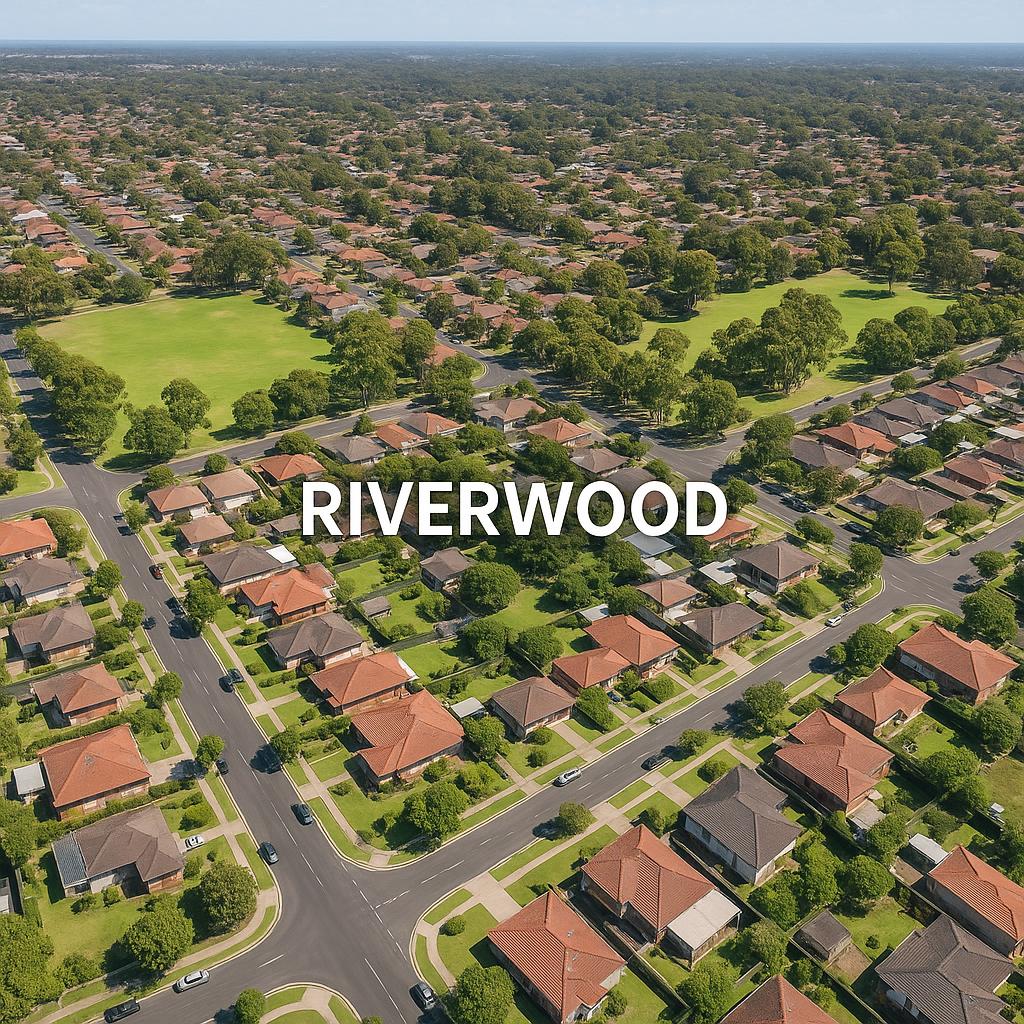
Riverwood is situated approximately 18 kilometers south of Sydney’s central business district. It offers excellent access to nearby suburbs via major roads and public transport, making it an appealing location for commuters.
Local amenities include parks, shopping centers, and schools, which cater to families and residents alike.
Demographics
The suburb has a diverse community with a mix of families, young professionals, and retirees. The population has been steadily growing due to affordable housing and the suburb’s family-friendly nature.
Recent Market Performance
Riverwood’s house prices have been competitive compared to neighboring areas like Panania and Kingsgrove. Current price ranges typically fall within a reasonable bracket, conducive to both investors and homeowners.
Investor View
Understanding Investment Potential
Rental demand remains steady, often averaging between 3-5% in effective yield depending on the property’s location and condition.
Case Study: Successful Investment in Riverwood
A case involving a three-bedroom home bought for around $800,000 highlights potential. The property, located close to a train station, saw rental returns of approximately $500 per week, reflecting strong demand.
Long-Term vs. Short-Term Investment Strategies
Investors may benefit more from a long-term strategy focusing on rental income and property appreciation versus seeking quick flips due to market stability.
Homeowner View
Lifestyle Considerations
Riverwood offers an inviting environment for families, with community events, parks, and recreational activities reflecting its lively culture.
Reasons to Buy in Riverwood
Homeownership here is attractive due to affordability, communities, and capacity for growth.
Mini Case Study: Family Experiences in Riverwood
A family transitioning from renting in nearby Caringbah South to purchasing in Riverwood noted benefits such as lower living costs and improved community engagement.
Market Drivers
Economic Factors Influencing Growth
Riverwood’s growth is supported by local employment opportunities in retail, education, and health sectors nearby.
Infrastructure Developments
There are ongoing discussions regarding future infrastructure projects that could enhance accessibility and desirability, impacting property values positively.
Key Insights from Local Real Estate Experts
Local experts highlight the importance of buying properties near transport links for high rental yields, especially in today’s commuting climate.
Due Diligence Checklist
- Research local zoning laws and understand restrictions.
- Analyze current market trends through reputable platforms like CoreLogic or REA Group.
- Consider property inspections to uncover any hidden issues.
- Engage with reputable local real estate agents to gain market insights.
Red Flags & Watch-Outs
- Be cautious about overestimating future property appreciation based on current trends.
- Watch for signs of market saturation, such as an influx of listings without buyer engagement.
- Monitor neighborhood trends that could affect desirability, such as crime rates or community developments.
FAQ
- What is the average turnover rate in Riverwood?
Check local listings and real estate portals for recent sales data to gauge turnover. - How is the rental market performing currently?
Current rental listings can be verified through platforms like domain.com.au. - What amenities are available for families?
Access local council sites or community boards detailing schools, parks, and recreational facilities. - What transport options are available?
Investigate public transport routes on the Transport for NSW website. - Are there upcoming developments in Riverwood?
Refer to the NSW Planning Portal for information on approved projects.
Conclusion
Riverwood presents a solid opportunity for both investors and homeowners, balancing affordability with access to amenities and transportation. Careful consideration of the market landscape, ongoing trends, and community aspects will assist potential buyers in making informed decisions.
Sources & how to verify
- Australian Bureau of Statistics
- NSW Planning Portal
- Transport for NSW
- Sydney Local Health District
- Realestate.com.au for property listings
- Domain.com.au for rental data
- Local community site for amenities
- Sutherland Shire Council for local services