Quick Answer
Current Market Status: The Dulwich Hill house market is currently experiencing vibrant activity, characterized by steady demand and modest price growth. Properties tend to attract considerable interest, making it a competitive area for homebuyers.
Turnover Rates: The turnover rate stands at approximately 6-8%, reflecting a relatively stable market condition where properties are sold in a reasonable timeframe.
Key Takeaways
- Market Trends: The suburb has seen a resurgence in popularity, with many young families and professionals moving in.
- Average Days on Market: Homes in Dulwich Hill typically remain on the market for about 30-45 days, indicating a brisk selling environment.
- Price Movements: Property prices have appreciated slowly but consistently, shifting upwards over the past few years.
Pros & Cons
- Pros
- Vibrant Community Atmosphere
- Proximity to Public Transport
- Increasing Property Values
- Cons
- Potential for Gentrification
- Increased Competition Among Buyers
- Limited Supply of Larger Homes
Suburb Snapshot
Location and Accessibility: Dulwich Hill is located approximately 11 km southwest of Sydney’s CBD, making it an attractive option for commuters. The suburb boasts multiple public transport options, including train and bus services, making it easy to navigate the city.
Demographic Overview: The suburb is home to a mix of young professionals, families, and older residents. Trends show a growing interest among new families looking for a community environment with educational facilities nearby.
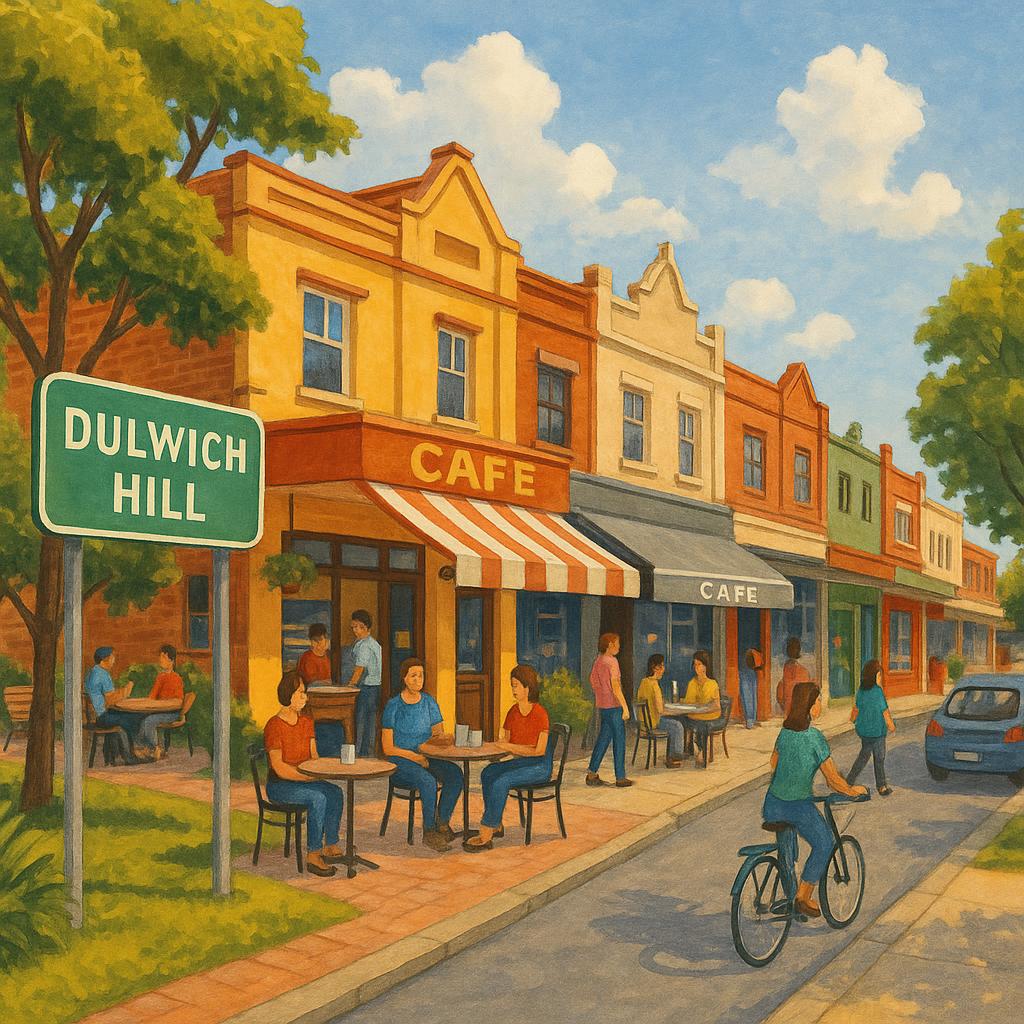
Local Amenities: Dulwich Hill offers a variety of amenities, including well-regarded schools, parks, cafés, and cultural hotspots such as art galleries. The vibrant local food scene adds to the suburb’s appeal.
Investor View
Market Potential: Investors can expect rental yields in the range of 3-4%, with the potential for capital growth due to increasing demand in the area.
Case Study: A recent investment example includes a 3-bedroom home purchased for $1.2 million, which increased in value via strategic renovations and ongoing market demand.
Strategy Tips: Focus on properties close to transport links and parks, as these factors are appealing to potential tenants and future buyers.
Homeowner View
Lifestyle Considerations: Families appreciate Dulwich Hill’s community-centric environment, active local groups, and recreational spaces. The area promotes a healthy lifestyle with walking tracks and playgrounds.
Case Study: A homeowner successfully navigated the buying process by engaging with local agents and choosing a property that aligned with their family’s lifestyle, leading to a satisfying community experience.
Future Growth Potential: As infrastructure further develops, Dulwich Hill is expected to see continued upward trends in property values, making it a viable long-term investment.
Market Drivers
- Economic Factors: The local economy is bolstered by employment opportunities in nearby areas and ongoing businesses within Dulwich Hill.
- Infrastructure Development: Planned upgrades to public transport and community facilities can significantly impact future property values.
- Social Changes: A shift towards urban living is increasing demand for local amenities, further driving property interest.
Due Diligence Checklist
- Research Tools: Utilize platforms like Domain and Realestate.com.au for property listings and market analysis.
- Key Metrics to Evaluate: Look at average days on market, rental yields, and recent sales data.
- Agent Insights: Connect with local real estate agents for the most updated market insights and property history.
Red Flags & Watch-outs
- Overpricing: Evaluate recent sales in the area to avoid overpaying for a property.
- Local Issues: Be aware of any noise complaints or traffic concerns that could affect your quality of living.
- Market Timing: Understanding current market cycles is crucial for making an informed decision on when to buy.
FAQ
- What is the average property turnover rate in Dulwich Hill? The turnover rate is typically around 6-8%.
- How do property values compare between Dulwich Hill and surrounding suburbs? Dulwich Hill generally has competitive pricing compared to nearby suburbs, reflecting rising demand.
- What are some common challenges faced by homebuyers in this suburb? High competition and potential bidding wars are common challenges.
Conclusion
Recap of Insights: Dulwich Hill presents a robust property market with a vibrant community atmosphere and growing attraction for families and investors alike.
Final Thoughts: Thorough research, engaging local experts, and staying updated on market trends are essential for making informed property decisions in Dulwich Hill.
Sources & how to verify
- Australian Bureau of Statistics
- NSW Government
- Transport for NSW
- Realestate.com.au
- Domain
- NSW Planning Portal