Quick Answer
Ashfield’s unit market displays mixed signals, with growing concerns over vacancy rates in certain segments. Current vacancy rates can fluctuate between 3% to 7%, indicating a moderately competitive rental market, which poses both challenges and opportunities for investors and homeowners alike.
Key Takeaways
- Understanding local dynamics is critical for making informed investment or purchasing decisions.
- Expect ongoing shifts in the apartment sector with potentially rising vacancy rates in certain areas.
- Knowledge of transport and amenities will aid in predicting future growth and rental demand.
Pros & Cons
Pros
- Strong transport links facilitate easy access to Sydney CBD.
- Diverse community amenities attract a broad tenant base.
- Potential for capital growth due to infrastructure development.
Cons
- High vacancy rates in select pockets of Ashfield may deter investment.
- Increased competition from newer developments can affect rental prices.
- Fluctuating rental demand due to changing demographics and tenant preferences.
Suburb snapshot
Ashfield is located in the Inner West of Sydney, known for its cultural diversity and historical significance. The suburb has witnessed steady population growth, with a demographic profile that includes both young professionals and family units.
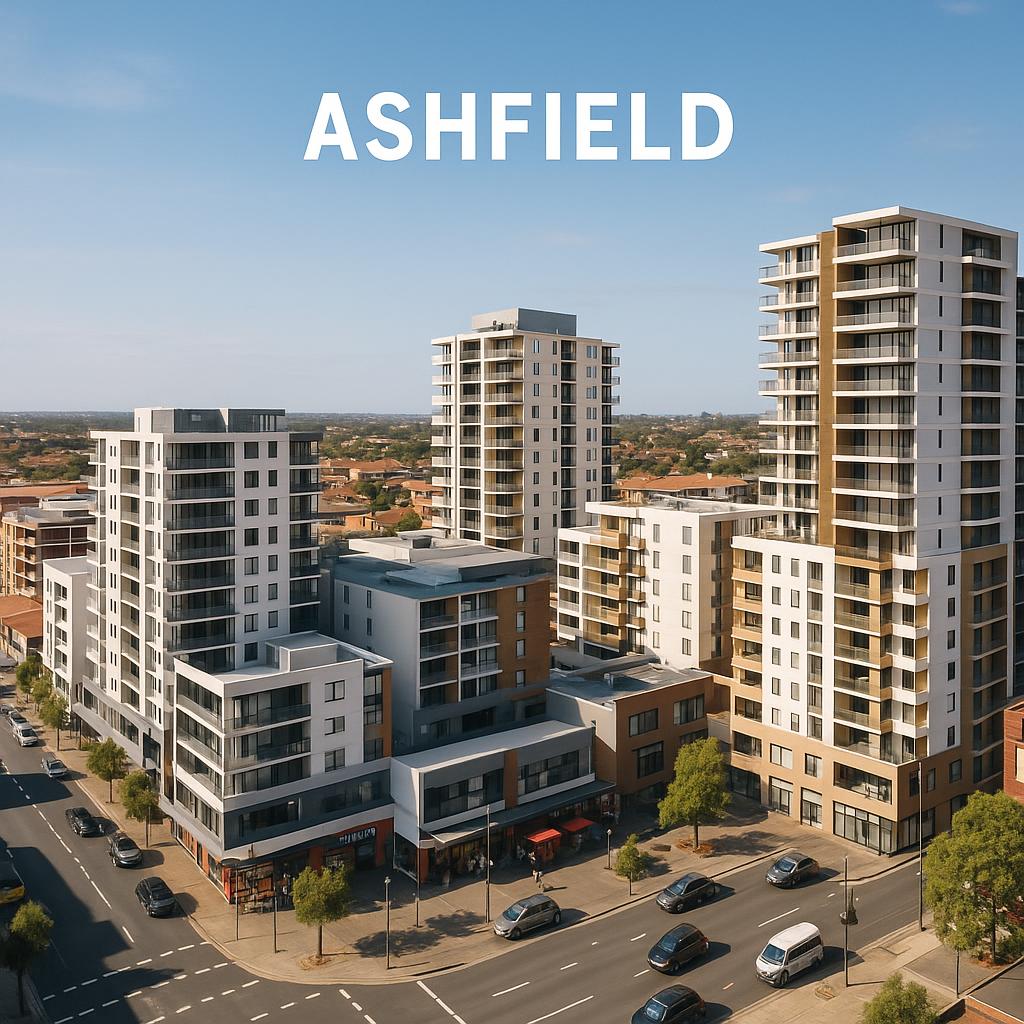
Historically, Ashfield has shown a resilient property growth pattern, bolstered by its proximity to the city and ongoing urban renewal projects. Current developments include residential complexes aimed at increasing housing supply.
Investor view
For property investors, Ashfield’s rental yields can typically range from 3% to 5.5%. Proximity to schools and transport provides a solid base for attracting tenants; however, investors should keep an eye on emerging competition from newer buildings, which can draw potential renters away.
In our mini case study, several investors noted significant appreciation in their unit values, reporting growth rates of 5%-8% annually. However, thorough research is essential to identifying properties with strong fundamentals.
Homeowner view
Homeowners considering Ashfield will find a vibrant community with access to multiple parks, cafes, and schools. Renovation trends show that cosmetic improvements can significantly impact property values, particularly in heritage-listed buildings.
Local homeowners have reported successful experiences with increasing property values through thoughtful renovations, particularly in kitchens and outdoor areas, which enhance both livability and appeal.
Market drivers
- The economic resilience of the Inner West Sydney area contributes positively to property demand.
- Government infrastructure initiatives, including transport upgrades, are enhancing accessibility and desirability.
- Lifestyle trends, such as a preference for low-maintenance living, are increasing the allure of smaller, well-appointed apartments in Ashfield.
Due diligence checklist
- Examine recent sales and rental data to establish realistic expectations.
- Consult local council resources for zoning changes and upcoming developments.
- Review strata reports and building condition for prospective unit purchases.
Red flags & watch-outs
- Be cautious of areas showing a sudden spike in vacancy rates, which may indicate an oversupply.
- Ensure property prices align with genuine demand indicators and not speculative trends.
- Stay informed on broader economic changes that could influence rental capabilities.
FAQ
- What are the common vacancy rates in Ashfield?
Vacancy rates typically range from 3% to 7%, fluctuating with market demands. - How do I verify market statistics?
Utilize resources like realestate.com.au, domain.com.au, and the NSW Planning Portal for the most recent data. - What current developments should I be aware of?
Consult the local council’s planning portal for announcements on upcoming residential projects. - Are there seasonal fluctuations in rental demand?
Yes, demand may dip during holiday seasons or in times of economic uncertainty. - Can I expect capital growth in the coming years?
With infrastructure enhancements, modest capital growth is likely, but thorough analysis is essential.
Sources & how to verify
- NSW Planning Portal – Check local planning and development approvals.
- Australian Bureau of Statistics – Access demographic and economic data.
- Realestate.com.au – Current listings and sales data.
- Domain.com.au – Market trends and rental statistics.
- Transport for NSW – Access transport links and future improvements.
- NSW Government School Finder – School rankings and catchment information.
- NSW Government – Housing Policy – Updates on housing policies affecting Sydney.
- Sydney Metro – Information on new transport projects.
Conclusion
Ashfield presents intriguing opportunities for both investors and homeowners. Understanding the dynamics of the unit market, vacancy rates, and planned developments will provide a pathway to successful investment and homeownership decisions. With its vibrant community and excellent amenities, Ashfield continues to be a suburb worth considering for your real estate ventures.